
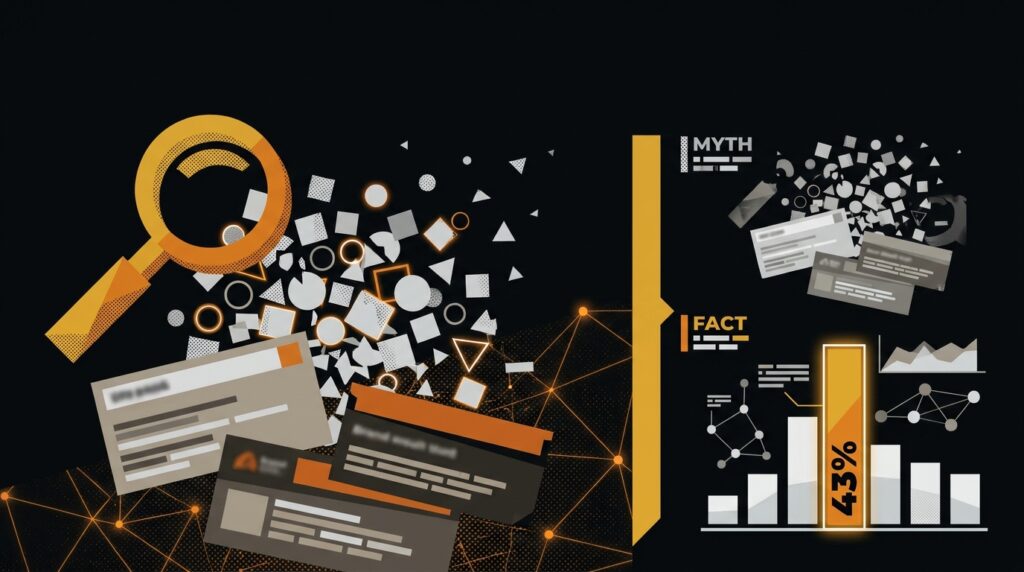
AI search engines cite competitor brands in 43% of responses when marketers publish self-promotional “best of” lists ranking their own product first, according to a controlled experiment published August 18, 2026, by SEO platform Ahrefs analyzing 9,886 AI responses across ChatGPT, Gemini, Perplexity, and Copilot, reported by Search Engine Journal.
TL;DR: Ahrefs analyzed 15 million data points across nine AI search optimization studies, debunking common myths including llms.txt file adoption (97% never read), schema markup shortcuts (no measurable citation lift), and the effectiveness of self-promotional content in AI recommendations.
The research, drawn from more than 50 AI search studies conducted by the SEO platform, tested industry claims that lacked supporting evidence. The findings contradict widespread optimization advice circulating among digital marketers since AI search tools gained mainstream adoption in 2024.
Self-Promotional Content Backfires in AI Recommendations
Ahrefs researcher Mateusz Makosiewicz published 34 self-promotional lists across five domains and tracked how four major AI platforms used the content. The study confirmed suspicions raised by SEO practitioners including Lily Ray: AI systems cite the article as a source but recommend competitors mentioned in the list rather than the publisher’s own brand.
In one test case, Makosiewicz authored a “best conferences” list promoting Ahrefs Evolve. AI platforms recommended a competitor event in 43% of answers despite citing the Ahrefs-published article as the information source.
Glen Allsopp’s analysis of 750 ChatGPT prompts found that “best X” recommendation lists accounted for 43.8% of all page types cited by the platform, making them the single most-cited content format.
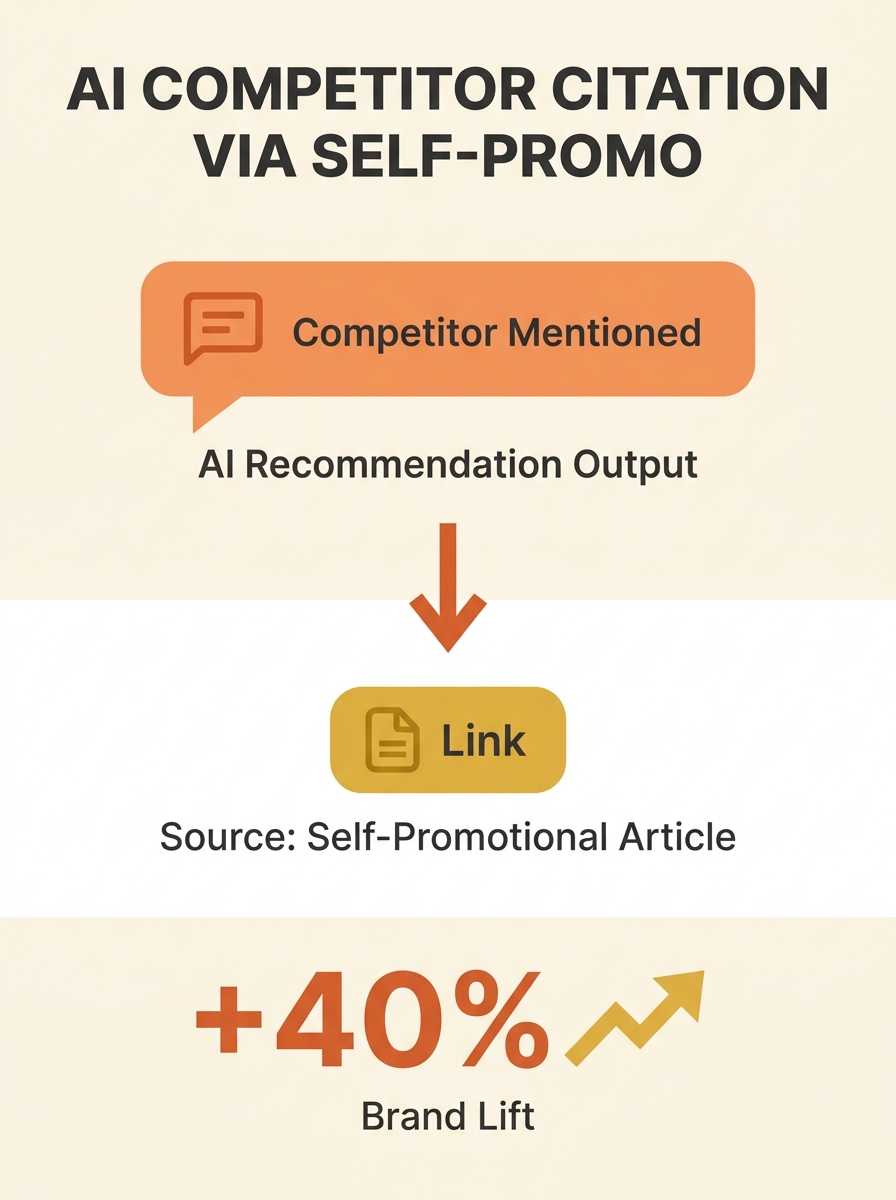
The citation-without-recommendation pattern contradicts the common AI search strategy of creating comparison content that mentions your own brand.
llms.txt Files Remain Unread by AI Crawlers
Ahrefs examined server logs from 137,000 websites using its Web Analytics and Bot Analytics platforms. Twenty-eight percent of sites had published an llms.txt file, but 97% of those files recorded zero fetch requests from any source.
Of the 3% that received traffic, 77% of requests came from SEO audit tools, GEO platforms, and research tools studying llms.txt adoption rather than AI crawlers. The finding contradicts May 2026 guidance from Google suggesting businesses audit their llms.txt files despite stating the files aren’t required for AI visibility.
Researcher Patrick Stox described the pattern as “tail-eating snake effect”—SEO practitioners write files that only monitoring tools read.
Schema Markup Shows No Citation Lift
The platform tracked 1,885 pages that added JSON-LD schema markup against 4,000 control pages over 30 days. The test measured citation changes in Google AI Mode and ChatGPT.
Results showed no measurable uplift on either platform. AI Overviews showed a 4.6% decline, but both treated and control pages were already declining before schema implementation, making causation unclear.
The data contradicts claims from generative engine optimization consultants attributing quick visibility wins to schema optimization. While databases including Wikidata and Google’s Knowledge Graph have absorbed schema markup for years, whether that structure shapes how AI models understand entities remains unproven, according to the analysis.
Classic Search Rankings Drive 88% of ChatGPT Citations
Ahrefs analyzed 1.4 million ChatGPT prompts to determine how search ranking position affects citation likelihood. The study categorized every retrieved URL by reference type.
Results showed 88.46% of all citations originated from the general search index—traditional search rankings. Specialized channels including Reddit and YouTube get pulled into the retrieval process at scale but rarely convert to citations in final answers.
The finding supports the analysis that AI search engines still depend on traditional SEO fundamentals despite developing separate ranking signals for generative responses.
Position-one rankings don’t guarantee AI visibility, however. A separate Ahrefs analysis of 863,000 search results pages found that top-ranking pages frequently get passed over when AI platforms synthesize answers from multiple sources.
Why This Matters Now
Australian businesses allocating budget to AI search optimization face conflicting advice from vendors selling quick-fix tactics. The 15-million-data-point analysis provides the first large-scale evidence base for separating effective strategies from optimization theater.
The self-promotional content finding carries immediate budget implications. Marketing teams commissioning “best of” comparison posts featuring their own products should understand they may be funding visibility for competitors. The alternative—outreach campaigns, review generation, and earned mentions across independent authoritative sources—requires longer timelines but builds the third-party validation signals AI platforms treat as credible.
The llms.txt and schema findings redirect effort toward fundamentals. Rather than implementing new file types or markup hoping for citation shortcuts, businesses benefit from making existing content crawlable, parseable, and citation-worthy through professional SEO services addressing technical barriers and content quality. The 88.46% citation share from traditional search rankings confirms that core search optimization work remains the primary path to AI visibility.