

CodeDesign.ai, a digital marketing agency, published a web performance guide July 10 recommending WebP image format as the default choice for Australian businesses, citing Core Web Vitals data showing images account for 85 percent of desktop page Largest Contentful Paint measurements and 76 percent of mobile page LCP elements, according to the firm’s analysis.
TL;DR: A digital marketing firm published a 2026 image optimization guide July 10, reporting that sites using optimized formats see up to 47 percent faster LCP times and recommending WebP as the standard delivery format for Australian SMBs.
The guide addresses image optimization as infrastructure rather than design detail, positioning format selection and delivery strategy as Core Web Vitals dependencies for Australian businesses seeking organic search growth through page speed improvements.
Performance Impact Tied to Format Selection
The CodeDesign.ai publication reports sites using optimized image formats achieve up to 47 percent faster Largest Contentful Paint times compared to sites delivering legacy formats, citing analysis from Upward Engine’s Core Web Vitals research. The firm stated images function as the primary LCP element on the majority of desktop and mobile pages, making image strategy equivalent to performance strategy for most commercial websites.
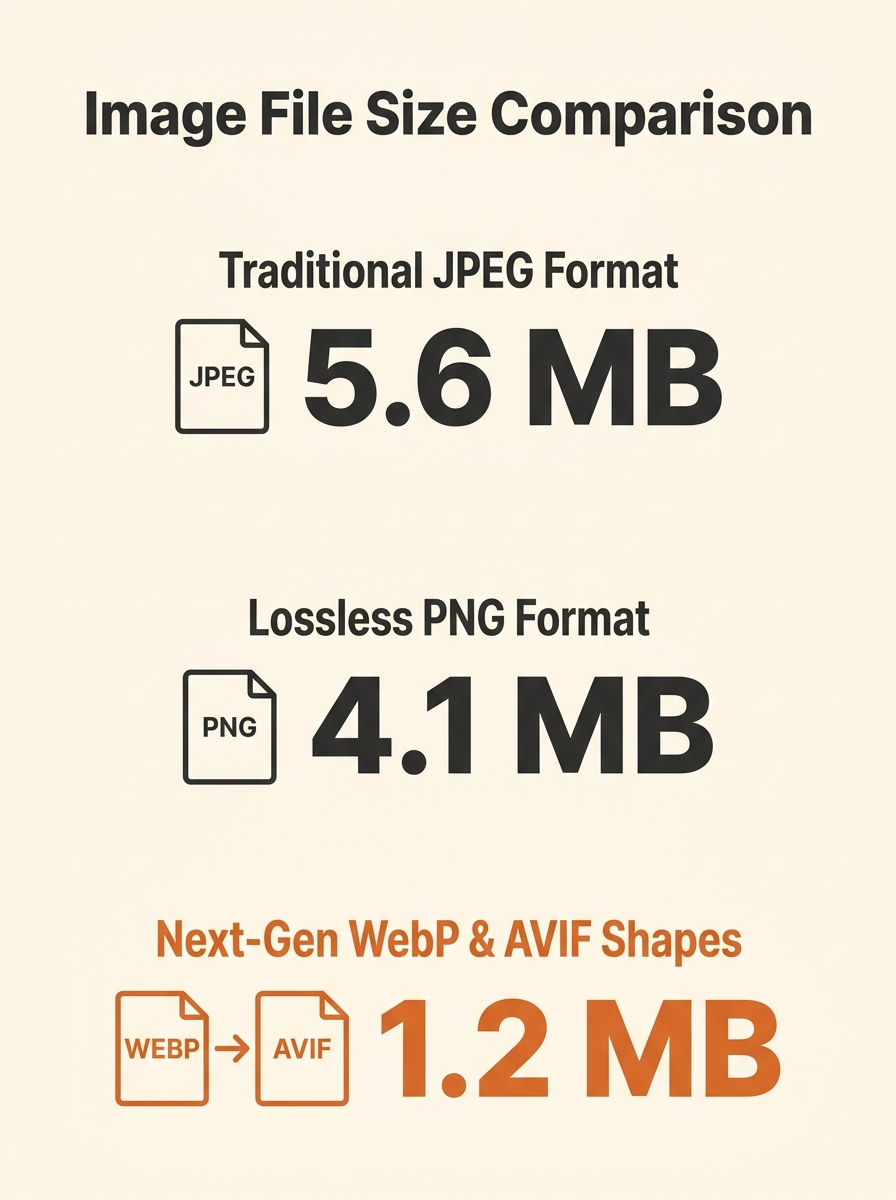
The guide recommends Google’s 200-kilobyte threshold for photo file weight as a practical limit for maintaining page speed on web delivery, according to web developer discussion cited in the publication. CodeDesign.ai positions AVIF format as capable of producing files one-third to one-quarter the size of traditional JPEG or PNG formats without noticeable quality degradation, though the firm identifies WebP as the most widely adopted modern format across current web infrastructure.
Format Recommendations by Use Case
CodeDesign.ai’s framework assigns WebP as the default choice for most website images, particularly photographs and mixed-content pages, citing smaller file sizes than JPEG or PNG in common web scenarios while supporting transparency. The guide positions AVIF for high-efficiency delivery when workflow pipelines handle the format cleanly, JPEG as fallback support for older browser compatibility, and PNG selectively for logos, UI graphics, and images requiring clean transparency.
The publication identifies three delivery mechanisms as critical to image performance: responsive images that prevent oversized file delivery to smaller viewports, lazy loading applied to offscreen content with exceptions for above-the-fold elements, and content delivery network caching for final-mile optimization. The firm stated these mechanisms reduce wasted bandwidth before images reach user devices.
The guide addresses common image-handling failures including oversized hero files exported at print resolution, logos delivered as raster files instead of vector formats, missing dimension attributes causing layout shift during load, and simultaneous loading of offscreen gallery content competing with visible elements.
SEO and Accessibility Integration
CodeDesign.ai’s framework integrates image optimization with search engine optimization and accessibility requirements, recommending descriptive alt text for each image to serve both screen readers and search engine crawlers. The guide positions proper alt text and file naming as dual-purpose elements supporting user experience and organic search visibility.
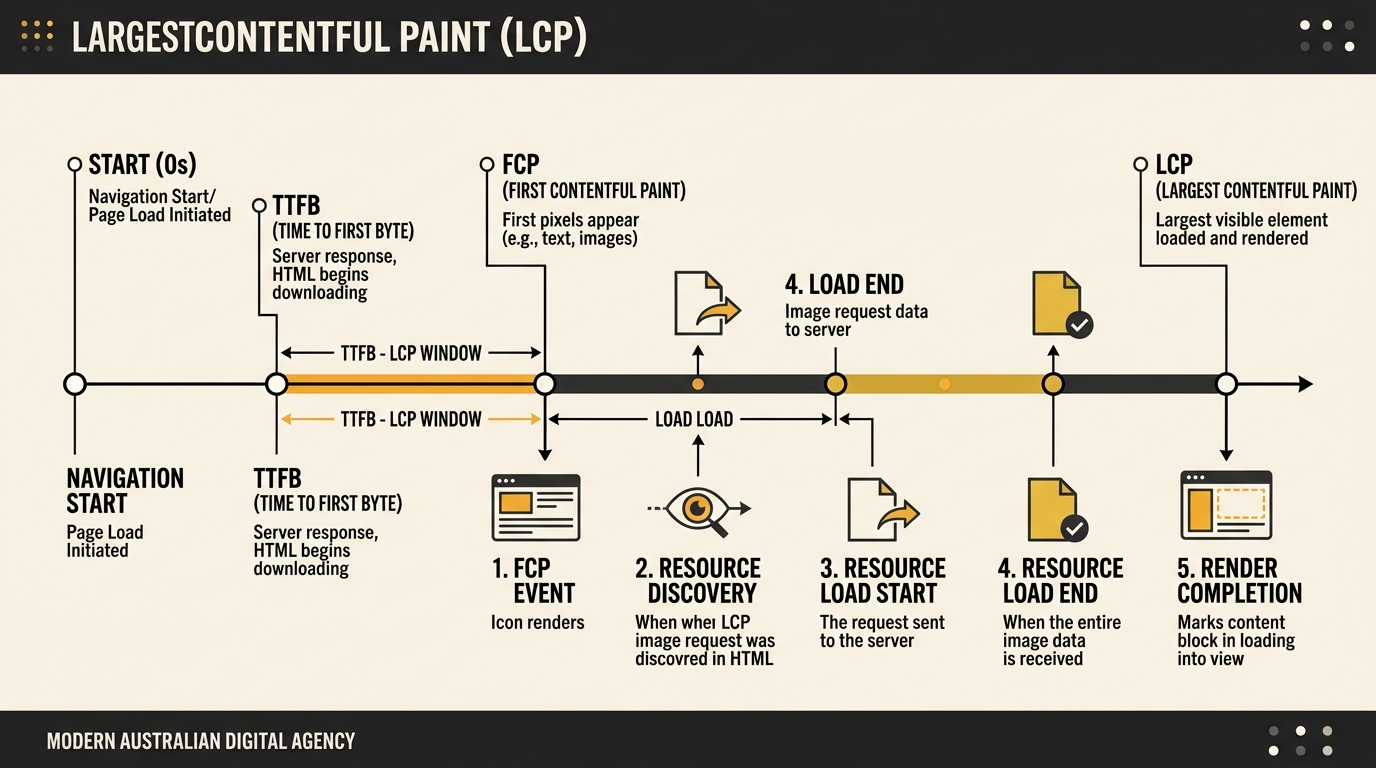
The publication stated that oversized images degrade Largest Contentful Paint scores, which the firm identifies as a Core Web Vitals metric affecting search rankings and user trust. The guide noted that slow LCP timing creates perceived latency, while layout shift during image loading produces visual instability that undermines page credibility before content engagement.
Context and Outlook
The July 10 publication arrives as Australian small and medium businesses face tighter performance requirements under Google’s Core Web Vitals ranking system, where page speed functions as a verified ranking factor in organic search results. Image optimization represents one of the highest-impact technical SEO levers accessible to non-technical teams, requiring workflow changes rather than engineering resources.
WebP adoption has reached majority status among modern browsers, lowering compatibility risk for Australian businesses switching from JPEG delivery. AVIF remains in earlier adoption stages, making WebP the safer default choice for commercial websites prioritizing broad device support. The format’s transparency support positions it as a PNG replacement for most use cases, consolidating format requirements.
The CodeDesign.ai framework positions image optimization as a performance multiplier rather than isolated improvement, noting that sites shipping image-heavy pages on mobile connections pay the largest performance penalties under current Core Web Vitals scoring. Australian businesses operating e-commerce, portfolio, or media-rich content face direct ranking consequences when image delivery remains unoptimized. The publication’s 200-kilobyte recommendation for photos provides a concrete threshold that non-technical teams can measure against current asset libraries without specialized tooling.