

Google introduced AI-powered image generation inside AI Overviews on July 14, allowing the search engine to create custom visuals from text prompts without linking to outside sources, according to Search Engine Journal. Brad Kellet, Senior Engineering Director for Search, announced the feature alongside a redesigned Google Images homepage in a company blog post.
TL;DR: Google now generates custom images inside AI Overviews using its Nano Banana model, and is rolling out a personalized, real-time Images homepage on desktop in the U.S.
The image-generation capability uses Google’s Nano Banana model, the same image system the company has deployed across Search and Chrome throughout 2026. The feature will roll out over the coming weeks in English across all regions that currently support image creation in AI Mode. The Images homepage redesign launches separately on desktop in the United States, also in English, with no firm date announced for either rollout.
How the Image Generation Feature Works
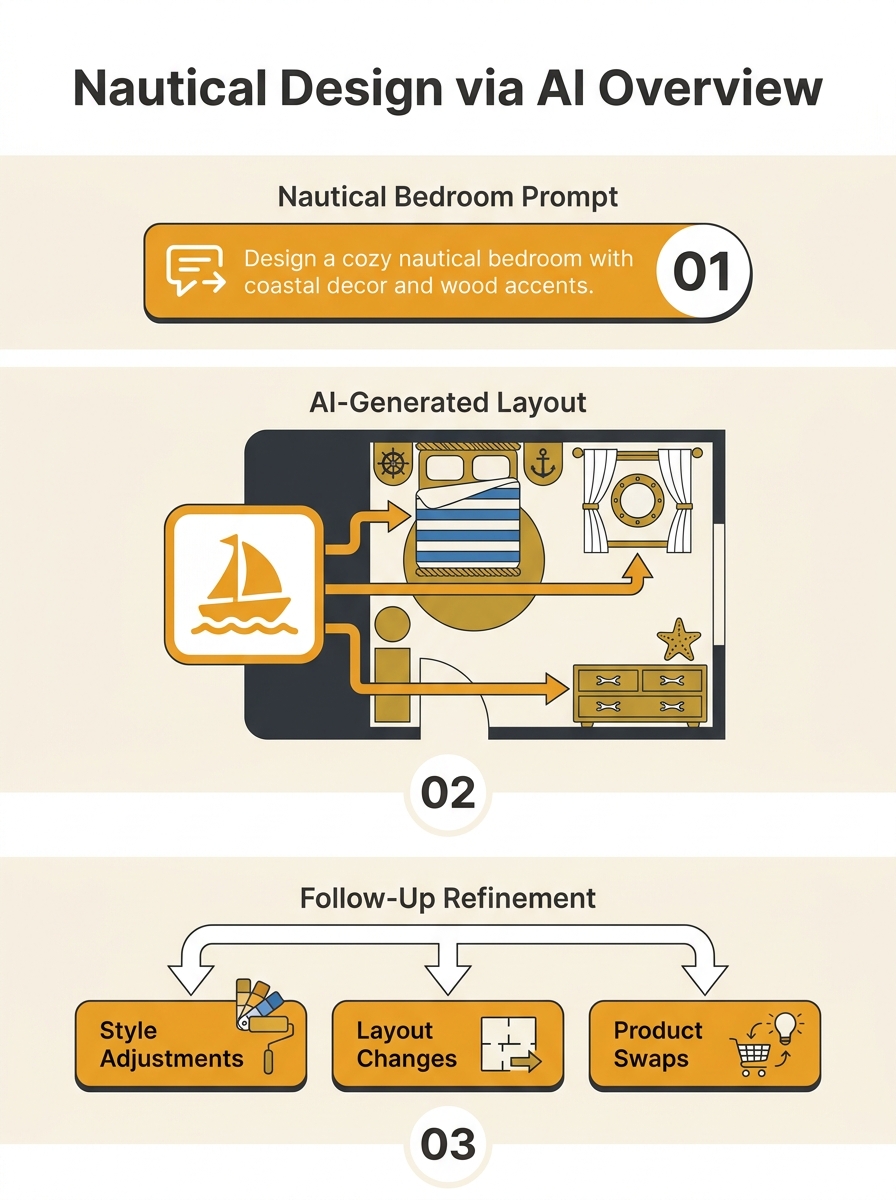
Google’s AI Overviews can now produce images directly from search queries that request visual content. A search asking Google to visualize a nautical-style room returns a generated bedroom image alongside follow-up questions to refine the design, according to examples in Kellet’s announcement. Users can also request side-by-side visual comparisons—asking Google to create images comparing two options generates both visuals within the Overview panel.
The system builds each image from scratch using the Nano Banana model rather than pulling from indexed web images. When Google introduced visual results to AI Mode in 2025, a company spokesperson told Search Engine Journal that its systems did not explicitly distinguish real photos from AI-generated images; that earlier feature returned images linked to outside sources. The new capability produces images without external links.
Images Homepage Gets Personalized Gallery Feed
The redesigned Google Images homepage displays a browseable gallery of images from across the web that updates in real time. Results tailor to user interests when someone is signed in to their Google account, and users can save images to collections that appear as tabs above the gallery, according to Kellet’s post. The interface shows personalized tabs under the search bar for quick access to saved collections.
The updated homepage adds a discovery surface alongside traditional query-led image search. Google has not specified whether the personalization feed will expand beyond desktop or the U.S. market. The company described the change as part of marking Google Images’ 25th anniversary.
Australian businesses that rely on image search visibility should note that the U.S.-only homepage rollout means the personalized feed will not immediately affect Australian traffic patterns. The AI-generated images inside Overviews, however, will reach Australian searchers in regions where AI Mode supports image creation.
What This Means for Australian Small
Australian SMBs optimizing visual content now face two shifts in how Google Search handles images. AI Overviews that generate images on-page reduce the likelihood that a user clicks through to view original images on business websites, similar to how AI Overviews already cut click-through rates for top-ranked text results. A business that ranks well for “modern office interior design” may see fewer image clicks if Google generates a comparable visual directly in the Overview.
The shift affects image optimization strategy for content creators and SEO managers. Google’s generated images carry no source attribution and do not link back to websites, meaning traditional image SEO tactics—file naming, alt text, structured data—no longer guarantee visibility when an AI Overview answers the query with a generated asset. Businesses should audit which queries trigger AI Overviews with image-generation prompts and adjust content strategy to address queries where generated images cannot fully substitute for product photography, case studies, or location-specific visuals.
The personalized Images homepage in the U.S. market suggests Google is moving image discovery toward a feed-based model similar to Pinterest or Instagram, where user behavior and saved collections shape what appears. Australian businesses with U.S. customers should monitor whether this pattern expands internationally and how collection-based discovery changes referral traffic from image search.