
Google’s May 2026 core update, which rolled out from May 21 to June 2, didn’t reward better content. It rewarded content that AI systems can extract, cite, and present as an answer. For Australian businesses still optimising for traditional blue links, the ground has already shifted.
TL;DR: The May 2026 core update completed June 2 and coincided with AI Mode hitting one billion monthly users on Gemini 3.5 Flash. SERP ranking changes 2026 now favour pages that AI systems can cite directly. Australian businesses treating AI search optimization as a future concern are losing visibility right now.
The Update Landed During Google’s Biggest AI Rollout Ever
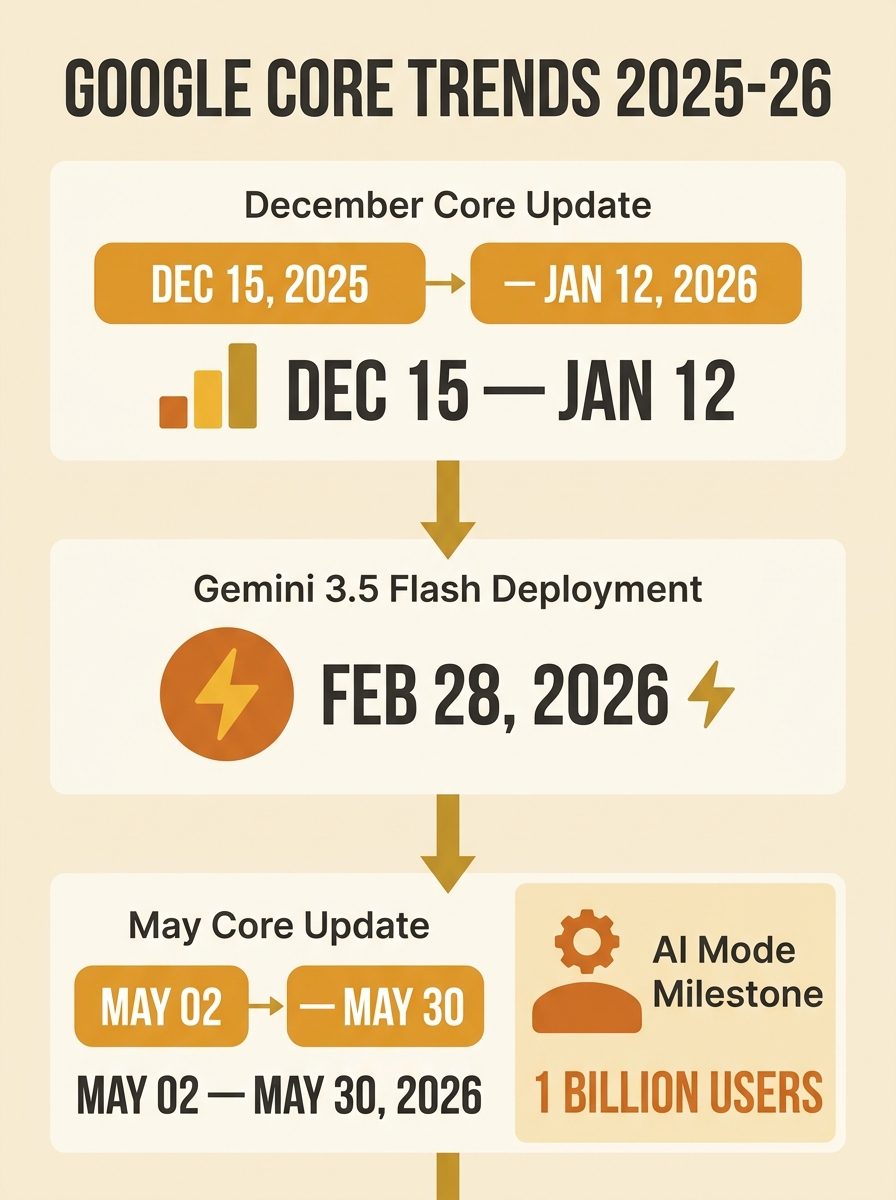
The timing matters more than the update itself. Google’s May 2026 core update started rolling out on May 21 and finished on June 2, running just under 12 days. That same week, Google deployed Gemini 3.5 Flash to AI Mode globally and confirmed AI Mode passed one billion monthly users. As Launchcodex’s update analysis noted, “ranking changes and click behaviour” became “harder to separate than in past updates” because of the simultaneous AI rollout.
This is Google’s third core update in six months. The December 2025 update ran from December 11 to 29. The March 2026 update ran from March 27 to April 8. Three updates in roughly 150 days signals rapid recalibration, and each round has tightened requirements on content lacking original expertise.
For Australian businesses, the SERP ranking changes 2026 brought are measurable. Sites built on generic service pages and thin “near me” content saw drops. Direct business profiles with genuine expertise gained ground. NetStripes’ 2026 analysis described the shift plainly: AI Overviews have moved Australian SEO “from click-focused rankings to authoritative citations and multi-platform visibility”.
Reddit Won. Generic Corporate Pages Lost.
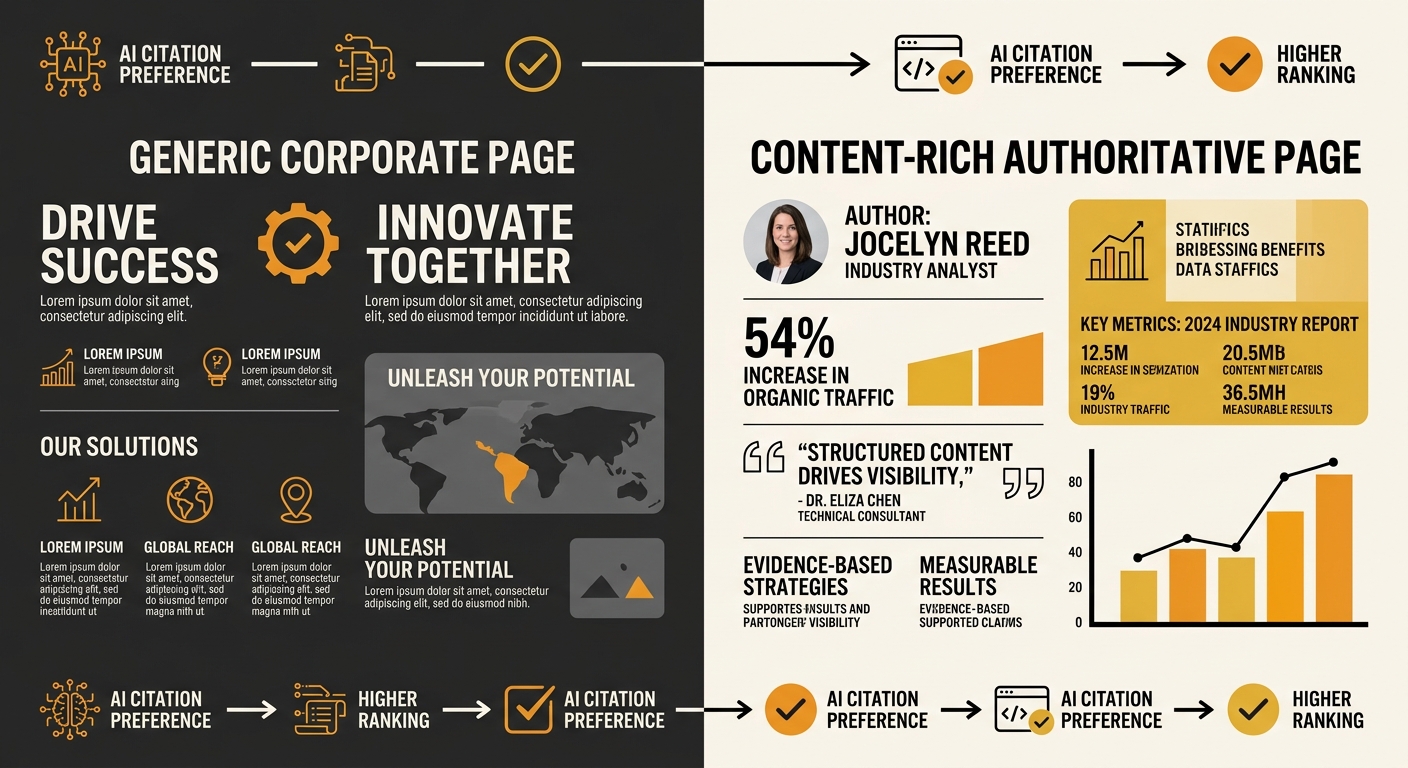
The clearest proof that this update favours experience-rich, extractable content is what happened to Reddit. A Foundation Inc analysis published this week found the May core update “reshuffled the SERP toward Reddit,” making user-generated discussion threads Google’s default answer for a widening range of queries. Reddit threads won because they contain first-hand experience, specific details, and named individuals sharing real opinions. Polished but generic corporate pages dropped.
This pattern builds on what SISTRIX documented during the March 2026 update: pages matching query intent beat pages with raw domain authority. We wrote about how Google’s core update rewarded intent matching over authority, and the May update doubled down on that signal.
The mechanics behind this shift explain why LLM citations business visibility now depends on content structure, not just content quality. Research from Virayo’s LLM SEO guide shows that 44.2% of LLM citations come from the first 30% of text on a page. If your strongest claims sit below marketing fluff, AI systems skip your page entirely. Elsner Technologies’ analysis of the update was direct on this point, writing that Google has been “preparing the search ecosystem for AI-first ranking logic for at least eighteen months.” The Helpful Content signals folded into core ranking, site reputation abuse policies tightened, and scaled content abuse got targeted. The May 2026 update fits that 18-month trajectory.
Australian SMEs Are Spending More on Marketing Into a System That Changed
Constant Contact’s latest Small Business Now report, released this week via iTWire, found that more than two-thirds of SMB owners across Australia and New Zealand are increasing time spent on marketing. Over 64% are also increasing their marketing budgets despite economic headwinds.
The disconnect is obvious: most of that spend flows toward strategies built for the old search model. Traditional SEO playbooks focused on keyword density, backlink volume, and page speed scores remain useful. But they’re no longer sufficient on their own. AI search optimization Australia now requires a parallel strategy focused on making your content citable by ChatGPT, Perplexity, Gemini, and Google’s own AI Overviews.
Adobe’s LLM Optimizer documentation defines this discipline as making “your brand and content visible, trustworthy, and retrievable within AI-generated answers” across all major AI platforms. That definition captures the change precisely: visibility now means appearing in AI-generated responses, not just in traditional search results.
We’ve previously covered why AI search optimisation and traditional SEO require separate strategies. The May 2026 update makes that argument harder to dismiss. And the NP Digital experiment we wrote about earlier found that top-ranked Google brands appear in AI search results only 31% of the time. With AI Mode at one billion monthly users, that 69% gap represents real traffic losses.
Over 64% of ANZ small businesses are increasing marketing budgets, but most of that spend is flowing toward strategies built for a search model that changed on May 21.
The Three-Signal Test for Post-May-2026 Content
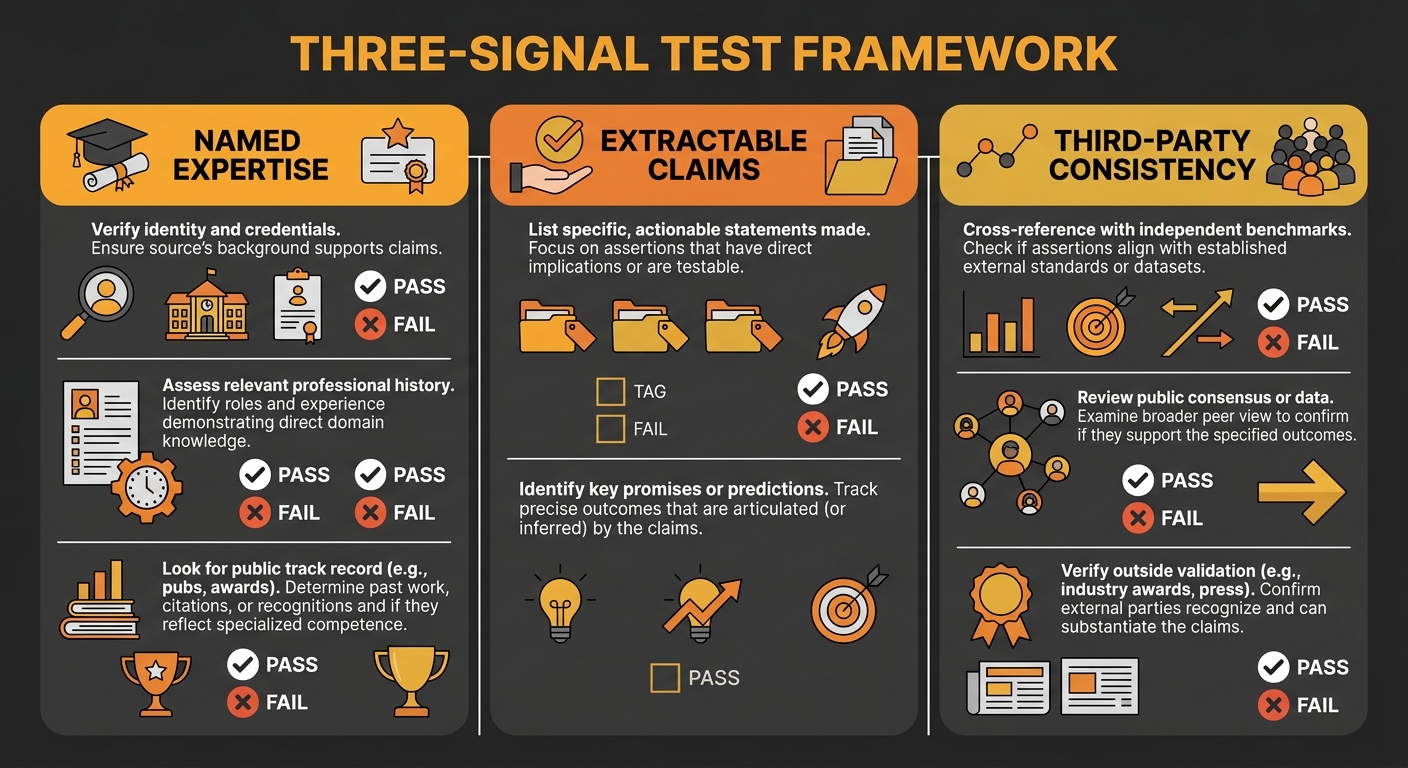
Here’s a framework for evaluating whether your content is built for the current landscape. Call it the Three-Signal Test:
1. Named expertise on the page. Does your content include real people with real credentials? AI systems prefer content they can attribute to a specific source. Anonymous service pages with no author, no quotes, and no named experience get passed over. Pages with clear authorship and expert attribution saw a 42.6% increase in AI citation rates, according to the Princeton/Georgia Tech GEO study’s findings on quotation addition.
2. Extractable claims in the first 30%. Your strongest data points, clearest recommendations, and most specific numbers need to sit near the top of each page. That 44.2% citation concentration in the opening third of content means burying your value below marketing copy is now a ranking problem, not a style choice.
3. Third-party profile consistency. LLMs pull from G2, Capterra, Crunchbase, and directory listings when cross-referencing claims before citing them. If your business information is outdated or inconsistent across these platforms, you’re invisible to AI systems that verify sources. This connects directly to getting your site architecture and entity signals in order.
| Signal | What AI Systems Check | Common Failure Point |
|---|---|---|
| Named Expertise | Author bios, expert quotes, credentials | Anonymous “About Us” pages with no individual names |
| Extractable Claims | Specific data in first 30% of page | Key stats buried in paragraph 8 or behind accordion menus |
| Profile Consistency | Matching info across directories, GMB, website | Different phone numbers or addresses across 3+ platforms |
Businesses that pass all three signals are positioned for LLM citations business visibility. Those failing on two or more are functionally invisible to the fastest-growing segment of search.
Warning: If your Google Business Profile, directory listings, and website show different addresses, phone numbers, or service descriptions, AI systems will deprioritise your business when generating local answers. Cross-reference your profiles this week.
Where This Leaves Australian Businesses After May 2026
The claim holds up across every data point from the past four weeks. The Google May 2026 core update didn’t change what counts as good content in theory. It changed how good content gets surfaced in practice, by tying traditional ranking signals to AI extractability in ways previous updates hadn’t attempted.
Australian businesses increasing their marketing spend (and 64% of ANZ SMBs are doing exactly that) need to redirect a portion of that investment toward AI search optimization Australia strategies. That means auditing content against the Three-Signal Test, front-loading specific claims on every key page, adding named expertise where anonymous copy currently sits, and treating third-party profiles as ranking assets.
The UK’s CMA imposed new conduct requirements on Google this week, demanding fairer and more transparent rankings. Australia’s ACCC has been watching Google’s market power closely for years. Regulatory pressure combined with AI-driven SERP changes means the rules of visibility are shifting on multiple fronts simultaneously. The businesses that adjust their content strategy within the next 60 days will benefit from a window where competitors are still treating AI search as tomorrow’s problem. The traffic data says it became today’s problem on May 21.