

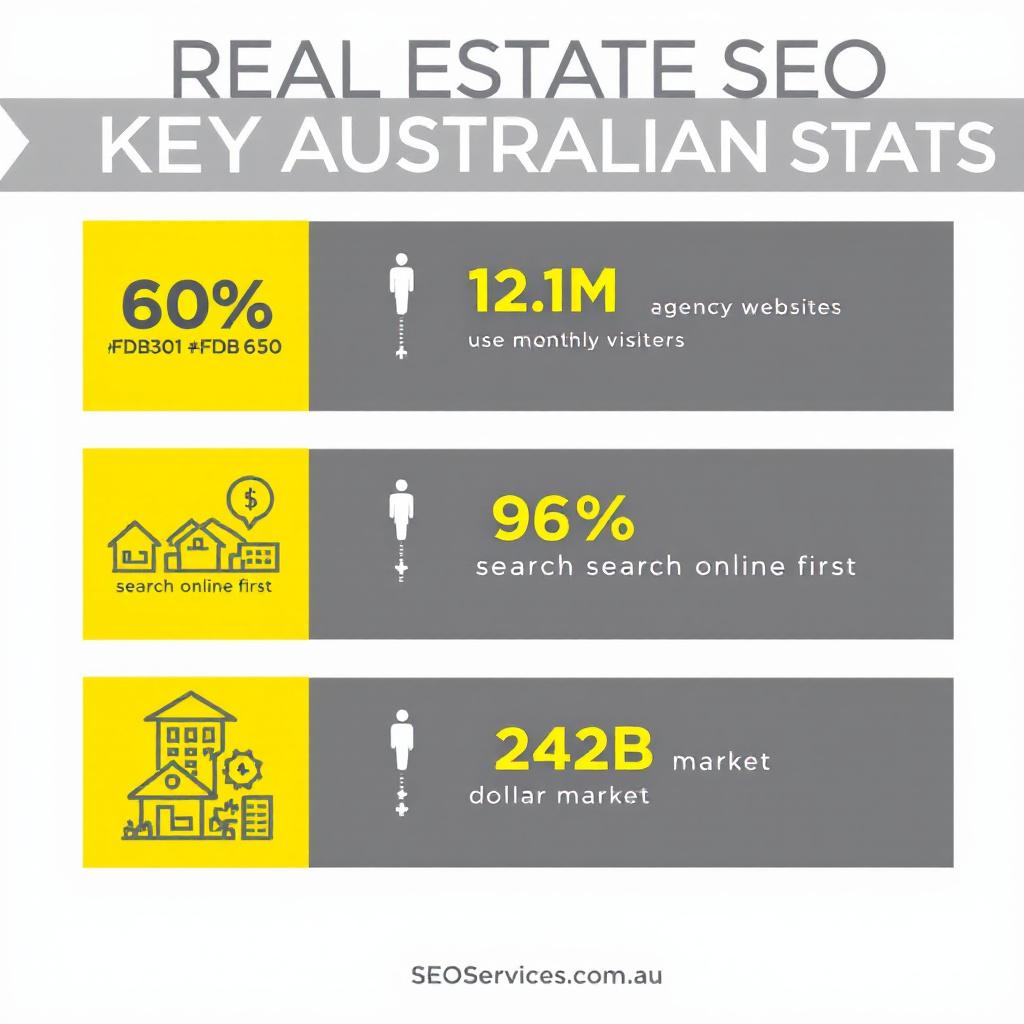
In Australia’s fiercely competitive property market, being visible online isn’t optional—it’s essential. With 60% of Australians using agency websites when searching for properties, and over 12.1 million people visiting realestate.com.au every month (spending an average of 40 minutes browsing), real estate SEO Australia has become the cornerstone of successful property marketing.
Whether you’re an independent real estate agent in Brisbane, a boutique agency in Sydney’s Eastern Suburbs, or a national franchise expanding across multiple states, your online visibility directly impacts your bottom line. This comprehensive guide explores everything you need to know about ranking higher and selling faster in the Australian property market.
Why Real Estate SEO Matters in Australia
The Australian real estate market reached an approximate value of AUD $242.83 billion in 2025, with the online segment growing at a remarkable 5.6% CAGR—significantly outpacing traditional offline channels. This fundamental shift towards digital property searching has made real estate SEO Australia not just important, but mission-critical for agencies wanting to capture their share of this lucrative market.
According to recent research, 96-100% of property buyers use the internet during their home search, with 43% beginning their journey online rather than through traditional channels like newspaper listings or word of mouth. Even more telling, 55% of prospective buyers want clarity on price before even inspecting a property—information they’re actively searching for online.
The numbers tell a compelling story: agencies that invest in professional SEO services consistently outperform their competitors in lead generation, brand awareness, and ultimately, sales volume. The cost per lead from organic search is typically 60% lower than paid advertising, making SEO one of the highest-ROI marketing channels available to real estate professionals.
Consider this: when someone searches “homes for sale in Hawthorn” or “real estate agent Richmond,” they’re actively in the market. They’re not passively scrolling social media—they’re actively seeking what you offer. Capturing that search intent through effective SEO translates directly to qualified leads walking through your doors.
Understanding the Australian Property Search Landscape
Before diving into specific strategies, it’s crucial to understand how Australians search for property online. The landscape has evolved significantly over the past decade, with several key trends emerging that shape how effective real estate SEO campaigns should be structured.
Mobile-First Property Searches
With 69% of buyers using mobile phones or tablets to view listings, your real estate website must be optimised for mobile devices. This isn’t merely a preference—it’s a necessity. Google’s mobile-first indexing means your mobile experience directly impacts your search rankings. If your property pages load slowly on smartphones or your contact forms are difficult to complete on mobile, you’re losing potential clients to competitors with better mobile experiences.
The typical property search journey involves multiple touchpoints across devices. A buyer might first discover your agency through a mobile search during their commute, then research further on a tablet at home, before finally submitting an enquiry from their desktop computer at work. Your website must provide a seamless experience across all these devices.
Local Intent Dominates
Property searches are inherently local by nature. Someone looking for a home in Melbourne’s Hawthorn suburb isn’t interested in properties in Perth or even neighbouring suburbs that don’t match their criteria. This makes local SEO absolutely fundamental to your real estate marketing strategy.
Google understands this local intent and prioritises locally relevant results. When someone in Sydney searches “real estate agent near me,” Google serves results based on their physical location, proximity to agencies, and the relevance of agency websites to local search terms. Agencies that haven’t optimised for local search are essentially invisible to these high-intent searchers.
Generational Differences in Property Searching
Recent research from LJ Hooker reveals fascinating generational differences in property searching behaviour that should inform your SEO and content strategy:
- 45% of Generation Z respondents have considered selling through online platforms without a salesperson, compared to only 9% of Baby Boomers
- 31% of Gen Z value the technology and marketing tools agents use when selecting an agency
- 74% of Baby Boomers prioritise local expertise above all other factors
- Generation Y and Z respondents spend significantly more time researching properties online before contacting agents
These insights should inform your content strategy. If targeting younger buyers, showcase your technology stack and digital marketing capabilities. For older demographics, emphasise local knowledge, years of experience, and community connections.
Core Real Estate SEO Strategies
1. Suburb and Location Pages
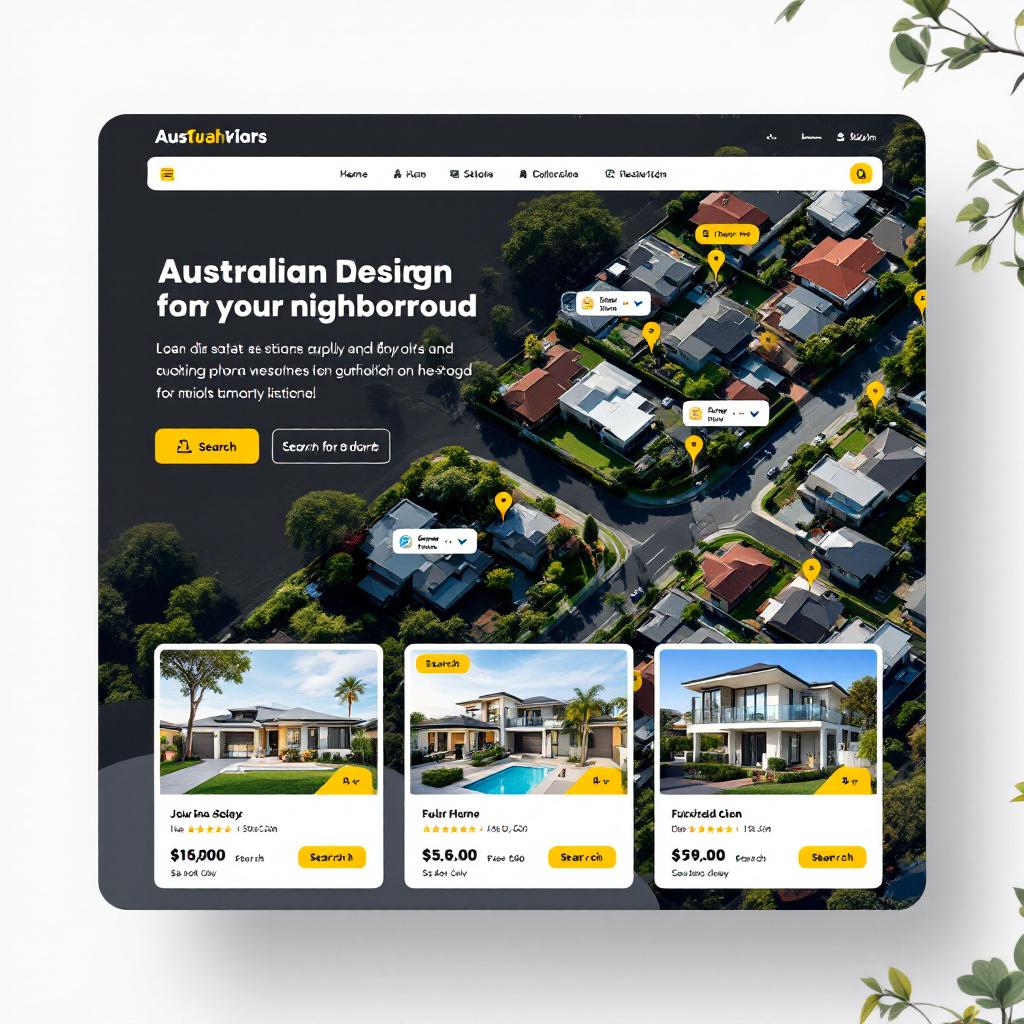
Creating dedicated suburb pages is perhaps the most powerful real estate SEO Australia strategy available. These pages serve multiple purposes that compound over time:
- They capture local search intent (e.g., “homes for sale in Bondi” or “property prices in Carlton”)
- They establish your agency as the local expert in specific areas
- They provide valuable internal linking opportunities that strengthen your site structure
- They give you a platform to showcase area knowledge that competitors can’t easily replicate
- They create evergreen content that continues generating traffic for years
Each suburb page should include substantial, unique content—minimum 1,000-1,500 words. Cover these essential elements:
- Market overview: Current median prices for houses and units, recent price movements, and market conditions
- Recent sales data: Notable sales, auction clearance rates, and days on market statistics
- School information: Primary and secondary schools with NAPLAN scores, private school options, and catchment zone details
- Transport connectivity: Train stations, bus routes, tram lines, and distance/time to CBD
- Local amenities: Shopping precincts, cafes, restaurants, parks, sporting facilities, and entertainment options
- Demographics: Population statistics, age distribution, household types, and income levels
- Property types: Common architectural styles, lot sizes, and development trends
This comprehensive approach aligns perfectly with a broader local SEO checklist that ensures you’re covering all bases for local visibility.
2. Property Listing Optimisation
While most property listings appear on major portals like Domain and realestate.com.au, optimising your own website’s listings is crucial for capturing direct traffic and leads. These “off-portal” leads often have higher conversion rates because they’ve specifically sought out your agency.
Key optimisation elements for property listings include:
Title Tags: Include the property address, suburb, and state. For example: “42 Smith Street, Richmond VIC 3121 | 4 Bed House for Sale | Your Agency Name”
Meta Descriptions: Write compelling descriptions that include key features, price guidance if available, and a clear call to action. Aim for 150-160 characters that entice clicks.
Image Alt Text: Describe each property image accurately, including room type and notable features. “Modern kitchen with stone benchtops and stainless steel appliances” is far more effective than generic “kitchen photo” text.
Structured Data: Implement RealEstateListing schema markup to enhance search appearance with rich snippets showing price, bedrooms, bathrooms, and other key details.
Content Quality: Write unique, detailed property descriptions rather than relying on generic templates. Highlight what makes each property special—the north-facing living room, the recently renovated bathroom, the established garden.
Internal Linking: Connect listings to relevant suburb pages, recent sales in the area, and agent profiles.
3. Agent Profile Pages
Personal branding matters enormously in real estate, where trust and relationships drive transactions. When someone searches for “real estate agent in [suburb]” or looks up a specific agent by name, you want comprehensive, optimised profiles appearing in results.
Create comprehensive agent profile pages that include:
- Professional headshot and detailed biography covering background, experience, and approach
- Areas of expertise and specific service suburbs
- Complete sales history with notable recent transactions
- Verified client testimonials and reviews with full names where possible
- Multiple contact options including direct phone, email, and online form
- Social media links to professional profiles
- Professional memberships and certifications
- Video introduction where budget allows
These pages should be optimised for both “[Agent Name] real estate agent” and “[Suburb] real estate agent” keyword variations.
4. IDX Integration and SEO
Integrated Data Exchange (IDX) feeds allow you to display MLS listings on your website, providing visitors access to current market inventory. However, IDX content presents unique SEO challenges because the same listings appear on multiple websites, creating potential duplicate content issues.
To maximise IDX SEO value and stand out from competitors using the same data:
- Add unique agent commentary to each listing with local insights
- Create custom filtering and category pages (e.g., “3-bedroom homes under $800k in Carlton” or “Investment properties in Brisbane’s inner north”)
- Ensure all listings are crawlable by search engines (avoid JavaScript-only rendering)
- Implement canonical tags appropriately to indicate original content sources
- Build internal links from your suburb pages to relevant current listings
- Add value through market commentary on search result pages
5. Schema Markup for Real Estate
Structured data helps search engines understand your content better, potentially leading to enhanced rich results in search that capture more clicks. For real estate websites, several schema types are particularly valuable:
LocalBusiness: For your agency’s main listing, including address, phone, hours, and service areas
RealEstateAgent: For individual agent profiles with specialities and credentials
Product/Offer: For property listings including price, features, and availability
FAQPage: For commonly asked questions about your services, local areas, or the buying/selling process
Review/AggregateRating: For client testimonials and star ratings
Event: For open home schedules and auction events
Proper implementation can result in enhanced search listings with star ratings, price ranges, property features, and other attention-grabbing elements that significantly improve click-through rates.
Neighbourhood Guides: Your Secret SEO Weapon
Neighbourhood guides represent a massive opportunity for real estate agencies to capture long-tail search traffic while building authority and trust. These comprehensive resources serve potential buyers researching areas while building tremendous SEO value over time.
What Makes an Effective Neighbourhood Guide
The best neighbourhood guides go far beyond basic suburb statistics that visitors can find on any portal. They should include genuine local knowledge:
Lifestyle Information:
- Best cafes, restaurants, and bars with specific recommendations
- Weekend activities and local events calendar
- Parks, beaches, walking tracks, and recreational facilities
- Community groups, sports clubs, and organisations
- Local hidden gems that only residents know about
Practical Details:
- Public transport options with frequency and commute times
- Shopping precincts, supermarkets, and major retailers
- Medical facilities, hospitals, and emergency services
- Council services, waste collection, and local government information
- Parking availability and costs
Market Intelligence:
- Historical price trends with charts and analysis
- Recent significant sales with context
- Development pipeline and planning changes
- Investment potential analysis
- Rental yield information for investors
This type of comprehensive content marketing positions your agency as the definitive local authority while capturing search traffic from hundreds of related keywords.
Technical SEO for Real Estate Websites
Beyond content excellence, technical foundations must be solid for your real estate SEO Australia efforts to succeed. Many agency websites fail not because of content quality, but because technical issues prevent search engines from properly crawling and indexing their pages.
Site Speed Optimisation
Property websites are image-heavy by nature—high-quality photography is essential for selling properties. However, this creates performance challenges that must be addressed:
- Compress all property images without visible quality loss using tools like ImageOptim or ShortPixel
- Implement lazy loading so images only load as users scroll to them
- Use a Content Delivery Network (CDN) to serve images from servers closest to users
- Minimise code bloat by removing unused CSS and JavaScript
- Leverage browser caching for returning visitors
- Consider WebP image format for modern browsers
Mobile Optimisation
With the majority of property searches happening on mobile devices, your site must offer an exceptional mobile experience:
- Responsive design that adapts seamlessly to all screen sizes
- Touch-friendly navigation with appropriately sized buttons and links
- Easy-to-use property search functionality with filters
- Quick-loading images and content
- Click-to-call phone numbers for easy contact
- Forms that are simple to complete on mobile keyboards
Site Architecture
Organise your website logically with clear hierarchies:
- Home page with clear navigation to key sections
- Buy/Rent main pages as category hubs
- Suburb/location pages organised by region
- Individual property pages
- Agent profiles section
- Blog/resources for ongoing content
- About and contact pages
This hierarchy helps search engines understand your content relationships while making navigation intuitive for users.
Real Estate SEO Australia: Key Statistics Infographic
Link Building for Real Estate
Building high-quality backlinks remains crucial for real estate SEO success, serving as “votes of confidence” from other websites that signal authority to search engines.
Local Business Partnerships
Partner with complementary local businesses for mutual linking opportunities:
- Mortgage brokers and lenders who can refer clients
- Conveyancers and property solicitors
- Building and pest inspectors
- Removalists and storage companies
- Interior designers and home stagers
- Landscapers and renovation contractors
Community Involvement
Genuine community involvement creates natural linking opportunities while building brand awareness:
- Sponsor local sports teams, school events, or community festivals
- Support local charities and fundraising initiatives
- Participate in community improvement initiatives
- Join local business associations and chambers of commerce
- Host community events at your office
Content-Based Link Building
Create linkable assets that naturally attract backlinks:
- Comprehensive quarterly or annual market reports
- Original research and surveys on buyer/seller behaviour
- Interactive tools like mortgage calculators or stamp duty calculators
- Infographics visualising market data
- Expert commentary for media outlets
This represents a truly cost-effective marketing strategy that delivers compounding returns over time as your link profile grows.
Measuring Real Estate SEO Success
Track these key metrics to measure your real estate SEO performance and guide ongoing optimisation:
Organic Traffic: Total visitors from search engines, tracked monthly and compared year-over-year
Keyword Rankings: Position tracking for target suburb and service keywords across your primary markets
Local Pack Appearances: Visibility in Google’s local three-pack results for “near me” and location-based searches
Lead Generation: Form submissions, phone calls, and property enquiries specifically from organic traffic sources
Engagement Metrics: Time on site, pages per session, bounce rate, and scroll depth on key pages
Conversion Rate: Percentage of organic visitors who become qualified leads
Cost Per Acquisition: How your SEO investment compares to other marketing channels
Understanding the importance of digital marketing in real estate extends beyond just SEO—it encompasses measuring and optimising your entire online presence to maximise return on investment.
Common Real Estate SEO Mistakes to Avoid
Duplicate Content Issues
Using identical property descriptions across multiple pages, copying content from other sources, or having pagination issues creates duplicate content that dilutes your SEO effectiveness. Always create unique content for each page with genuine value.
Neglecting Mobile Users
With most property searches happening on mobile devices, a poor mobile experience will devastate your SEO performance. Test your site regularly on various devices and prioritise mobile optimisation.
Ignoring Local SEO Fundamentals
Real estate is inherently local. Failing to claim and optimise your Google Business Profile, build local citations, and create location-specific content leaves significant opportunities on the table for competitors to capture.
Thin Content on Suburb Pages
Creating suburb pages with minimal content just for the sake of having them can actually harm your SEO. Google’s algorithms detect low-value pages and may penalise sites with too many thin pages. Each page needs substantial, valuable content that serves user intent.
Poor Image Optimisation
Large, unoptimised images slow your site dramatically and create poor user experiences. Always compress images without losing quality and include descriptive alt text that helps both SEO and accessibility.
Inconsistent NAP Information
Your agency’s Name, Address, and Phone number should be consistent across all online mentions. Inconsistencies confuse search engines and can hurt local rankings.
The Future of Real Estate SEO in Australia
Looking ahead, several trends will shape real estate SEO Australia strategies:
AI and Search Evolution: As AI-powered search features like Google’s Search Generative Experience evolve, providing comprehensive, authoritative content becomes even more critical. AI needs to understand and trust your content to feature it in results.
Voice Search Growth: Optimising for conversational queries like “What’s the median house price in Paddington Sydney” or “How much are apartments in Southbank” will grow in importance as voice assistant usage increases.
Visual Search Capabilities: As image recognition technology improves, people may increasingly search for properties using images. Proper image optimisation, structured data, and visual content quality will be essential.
Video Content Dominance: Property video tours, neighbourhood walkthroughs, and agent introduction videos are becoming expected rather than exceptional. Optimising video content for search through YouTube SEO and video schema will be crucial.
Hyperlocal Content Depth: As competition intensifies, the most successful agencies will create increasingly specific, hyperlocal content that competitors can’t easily replicate—content that demonstrates genuine deep expertise in specific neighbourhoods.
Getting Started with Real Estate SEO
If you’re ready to improve your real estate agency’s online visibility and capture more of the market, start with these actionable steps:
- Audit your current website for technical issues, content gaps, and competitive positioning
- Claim and optimise your Google Business Profile with complete information, photos, and regular updates
- Create or improve suburb pages for your primary service areas with comprehensive, unique content
- Develop agent profile pages with comprehensive information, testimonials, and sales history
- Implement schema markup for your business, agents, and property listings
- Build a content calendar for ongoing neighbourhood guides, market updates, and valuable resources
- Track your progress using Google Analytics, Search Console, and rank tracking tools
- Build local relationships that create natural link opportunities
Conclusion
Real estate SEO Australia isn’t just about ranking higher in search results—it’s about connecting with potential buyers and sellers at the exact moment they’re actively searching for properties or agents. In a market where 4,793 suburbs recorded property price growth in 2025 and competition for listings has never been fiercer, your online visibility can make or break your agency’s success.
By implementing the strategies outlined in this comprehensive guide—from creating authoritative suburb pages to technical optimisation, strategic link building, and ongoing content development—you can position your agency to capture more of the $242.83 billion Australian property market.
The agencies that invest in SEO today will be the market leaders tomorrow. Every day you delay implementing these strategies is a day your competitors are building their online advantage. The question isn’t whether you can afford to focus on real estate SEO Australia—it’s whether you can afford not to.
Ready to elevate your real estate agency’s online presence and start capturing more qualified leads? Contact our team to discuss how we can help you rank higher and sell faster in Australia’s competitive property market.