

Screaming Frog confirmed September 9 that its Crawling Clinic will return to brightonSEO San Diego ’26, bringing site-level technical SEO auditing back to the conference circuit after the tool’s £199-per-year SEO Spider crawler reached version 24.3 with checks for over 300 indexability signals, according to a post published on blog.mean.ceo.
TL;DR: Screaming Frog’s Crawling Clinic returns to brightonSEO San Diego ’26 on September 9, offering hands-on technical SEO audits while the SEO Spider v24.3 maintains £199 annual licensing with 500-URL free crawls.
The clinic format offers participants site-specific diagnosis rather than generic technical SEO advice. Attendees can submit crawl data from their own domains and receive targeted feedback on redirect chains, broken links, duplicate metadata, canonicalization conflicts, and JavaScript rendering problems that block search engine indexing.
What the SEO Spider Version 24.3 Release Includes
Screaming Frog’s SEO Spider v24.3 runs on Windows, macOS, and Linux and scans sites for broken pages, redirect chains, duplicate titles, canonical tags, noindex directives, orphan pages, thin content, image optimization issues, and JavaScript rendering failures. The free version crawls up to 500 URLs. The paid licence removes that limit and costs £199 per year.
The tool’s Log File Analyser reached version 7.1, with 1,000 log events available in the free tier. The analyser cross-references actual search engine crawler activity against site architecture, showing which pages Google’s bot visits, how frequently, and where crawl budget concentrates.
For Australian SMBs running WordPress, Shopify, or custom CMS platforms, version 24.3 delivers the same core function it has for years: exposing the gap between what business owners assume search engines can see and what crawlers actually index. A product page may exist at a clean URL with strong copy, yet fail to appear in search results because internal links don’t point to it, a canonical tag points elsewhere, or a noindex directive inherited from a staging environment remains active.
Why Technical Crawl Audits Still Matter for Search Visibility
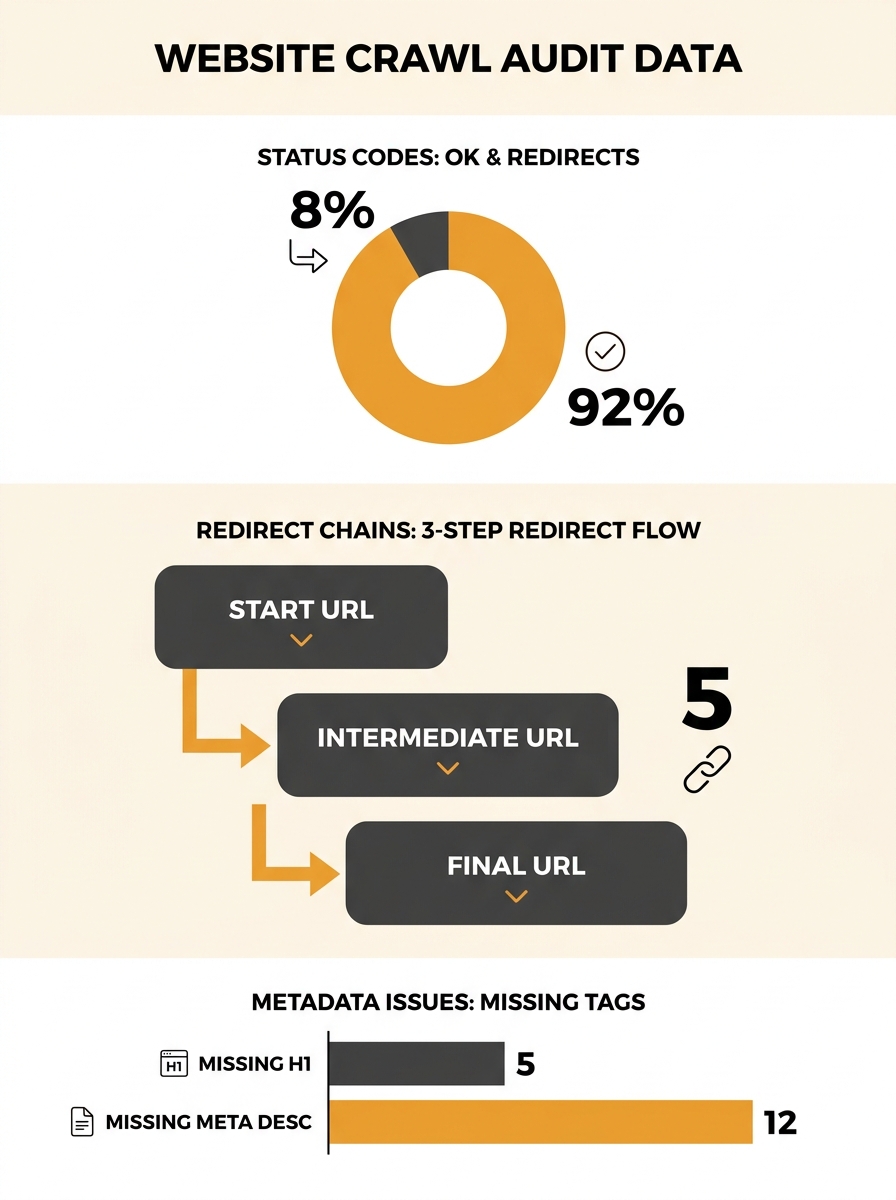
Search visibility degrades quietly. Founders track visits, sign-ups, and paid campaign performance while internal site structure deteriorates. A crawler records status codes, internal link paths, canonicals, page titles, headings, JavaScript-rendered content, redirects, and indexability signals. When those signals conflict, organic acquisition weakens without triggering alerts in Google Analytics.
The brightonSEO clinic addresses this gap by moving technical SEO from abstraction into diagnosis. Participants can pressure-test assumptions about website architecture and receive focused answers on crawl problems that block revenue pages. The format acknowledges that a 50-page site doesn’t need a 200-item audit report; it needs a short list of defects, commercial context, and clear remediation priority.
Screaming Frog’s announcement doesn’t specify clinic capacity, registration process, or whether sessions run as group workshops or one-to-one consultations. Previous brightonSEO clinics have used open-queue formats where attendees join a line for 10-15 minute sessions with tool specialists.
Common Crawl Issues the Tool Identifies for Australian Businesses
Broken pages generate 4xx status codes, particularly 404 errors on URLs linked from navigation, blog posts, product pages, and inbound backlinks. The Spider flags these so teams can restore deleted pages, implement 301 redirects, or remove dead links that waste crawl budget.
Redirect chains occur when URL A sends users to B, then B redirects to C. Each hop adds latency and dilutes link equity. The crawler maps these chains so developers can replace them with direct redirects where possible.
Duplicate title tags appear when multiple pages share identical metadata, confusing search engines about which page should rank for a query. The tool lists every duplicate title set so content teams can differentiate metadata across product variants, regional pages, or category archives.
Canonical tag conflicts happen when a page’s self-referencing canonical points to a different URL, often because template logic carries staging-environment settings into production. The Spider compares declared canonicals against actual URLs and flags mismatches.
Orphan pages have no internal links pointing to them. Google can discover orphaned pages through sitemaps or external backlinks, but they receive minimal crawl priority and link equity. The tool identifies orphans by comparing sitemap URLs against pages found during the crawl.
For businesses that have changed CMS platforms, migrated domains, or added JavaScript-heavy templates, systematic technical SEO monitoring catches errors before they compound into traffic loss. A fresh crawl after any structural change shows which pages search engines can reach and index.
Reading Between the Lines
Screaming Frog’s clinic return signals that technical site hygiene remains undervalued in Australian SMB marketing. While founders allocate budgets to content creation, paid ads, and social campaigns, the infrastructure that lets search engines index and rank those pages receives intermittent attention. The pattern repeats: businesses launch campaigns, redesign sites, or migrate platforms without crawling first, then hire agencies months later to diagnose organic traffic drops that a 30-minute audit would have prevented.
The £199 annual cost positions the SEO Spider as accessible for businesses with A$400 marketing technology budgets, yet adoption among Australian SMBs lags behind larger enterprises. The tool doesn’t require programming knowledge or agency retainers, but it does require someone to run the crawl, interpret the output, and prioritize fixes. That ownership question, who audits the site, when, and based on what triggers, often goes unanswered until search visibility has already declined.
The clinic format offers a workaround: founders and marketing managers can bring crawl data to a structured session and receive guidance on which issues block revenue versus which can wait. For businesses that lack in-house technical SEO capacity, that 15-minute diagnostic may deliver more commercial value than another round of keyword research or content planning. Search visibility protects existing traffic; chasing new keywords doesn’t matter if structural problems prevent pages from ranking in the first place.