

Digital marketing firm LeadRaft Marketing identified six primary causes of search ranking volatility affecting Australian businesses in guidance published September 24, 2026, attributing position fluctuations to algorithm changes, search intent evolution, competitive content improvements, outdated information, technical errors, and link structure modifications.
TL;DR: LeadRaft Marketing published guidance on ranking volatility, identifying six factors that cause organic search positions to shift even when websites remain unchanged.
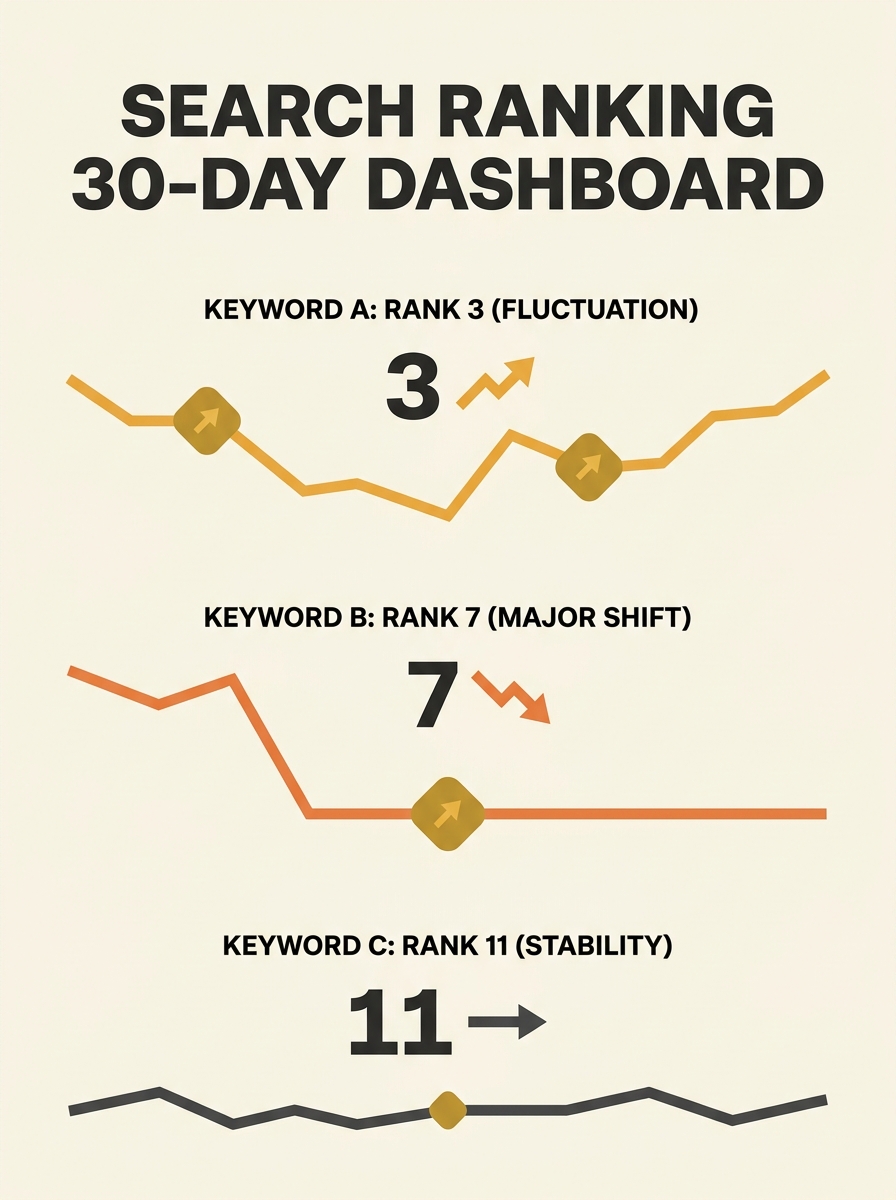
The analysis challenges the expectation of static search positions, noting that pages appearing on Google’s first page can move multiple positions within days without website modifications, according to the guidance published by LeadRaft Marketing. The firm positioned these movements as normal behaviour within search systems that continuously evaluate relevance, content quality, and user satisfaction signals.
The guidance arrives as businesses face increased ranking volatility following Google’s March 2026 core update, which introduced Information Gain as a dominant ranking signal. Australian SMB owners monitoring organic traffic have reported position changes that previously would have indicated penalties or technical problems but now reflect routine search system behaviour.
Algorithm Updates Drive Majority of Position Changes
Google’s continuous search system improvements create ranking movements independent of website actions, the LeadRaft analysis found. Broad algorithm updates affect multiple sites simultaneously, while narrower changes influence specific content types or query patterns.
The guidance distinguished between ranking drops caused by algorithm updates and those triggered by manual penalties. A position decline following a system update indicates Google changed how it evaluates relevant content rather than identifying a policy violation, the firm noted.
Businesses can correlate ranking changes with broader search shifts by monitoring official Google announcements alongside Search Console data, the analysis recommended. This approach separates site-specific problems from industry-wide movements affecting competitors equally.
Search Intent Shifts Reshape Results Independent of Content Quality
Google modifies search results when its understanding of user intent changes, even when page content remains static. The LeadRaft guidance illustrated this with query examples where dominant intent shifted from educational to transactional, pushing previously well-ranked blog content lower despite unchanged quality.
Content created solely around keywords fails when it misaligns with the questions and expectations driving searches, the analysis stated. A resource ranking at position five can drop multiple positions after competitors publish formats better matching current user expectations, creating volatility without site owner action.
The firm positioned regular competitor analysis as necessary to identify shifts in content depth, topical coverage, and intent matching. This monitoring reveals whether ranking changes reflect site problems or industry-wide format shifts, the guidance noted.
Competitive Activity and Content Freshness Create Position Pressure
Ranking depends on relative performance against other sites competing for identical search terms. Competitors publishing comprehensive resources, earning relevant backlinks, or improving internal linking structures can displace existing rankings without the affected site changing anything, LeadRaft noted.
Content addressing topics with time-sensitive information faces additional volatility as statistics, regulations, software features, and industry practices evolve. Pages containing outdated information lose utility to users, creating opportunities for competitors with current data to gain visibility, the analysis found.
The guidance recommended refreshing content when information becomes outdated rather than responding to minor position changes. Updates should include revised statistics, relevant sections, improved examples, and obsolete reference replacements whilst maintaining satisfaction of current search intent.
This aligns with findings from earlier research on Google’s unannounced algorithm updates, which showed traffic analysis as essential before making reactive changes.
Technical Problems and Link Structure Contribute to Volatility
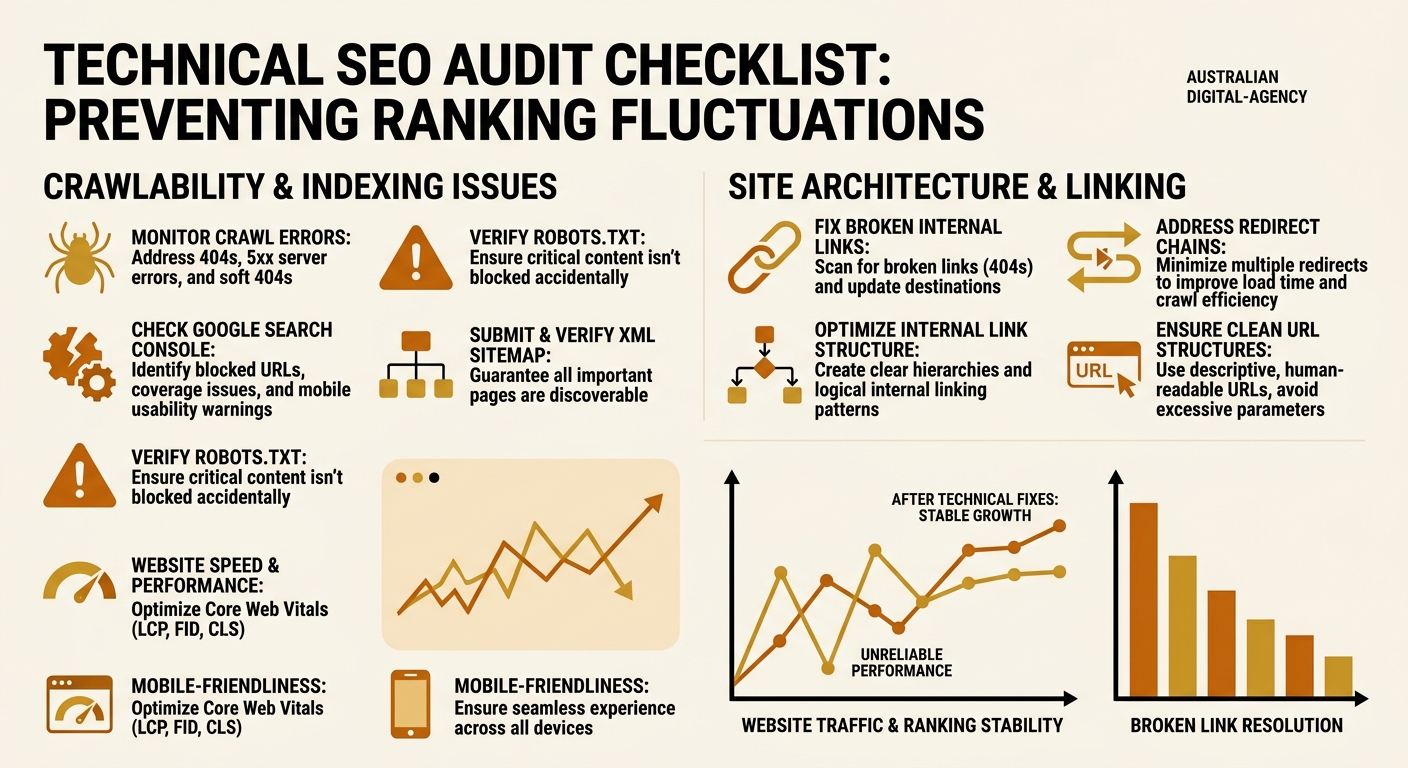
Technical issues involving page accessibility, robots.txt configuration, canonical tags, redirects, broken links, duplicate content, mobile usability, or indexing affect organic visibility, the LeadRaft analysis stated. Single-page problems create localised ranking shifts whilst site-wide technical changes can influence hundreds of URLs simultaneously.
Internal linking modifications alter how search engines understand page relationships and authority distribution across sites. Removing important internal links or changing anchor text affects how Google interprets certain pages, the guidance noted. A blog previously receiving links from relevant service pages may experience visibility changes after link removal.
Backlink profile changes contribute to ranking movements through gains of new relevant links, losses of existing links, or shifts in referring site quality and relevance. The analysis cautioned against managing rankings through backlink quantity alone, positioning relevant trustworthy links alongside strong content as more meaningful than large-scale acquisition.
The firm’s findings parallel earlier backlink research documenting how Australian businesses lose rankings through unnoticed link degradation.
Regular technical SEO audits help identify problems before they significantly affect organic performance, the guidance recommended.
Context and Outlook
The LeadRaft guidance arrives as Australian businesses navigate increased ranking volatility across both traditional and AI-powered search platforms. The firm’s six-factor framework provides SMB owners with diagnostic structure to separate reactive fixes from strategic improvements.
The analysis positions understanding volatility causes as essential for businesses allocating SEO budgets. Rather than responding to every position change, the framework directs attention toward long-term factors including content freshness, technical health, and competitive positioning against specific intent signals.
For Australian marketing managers evaluating organic growth strategies, the guidance suggests audit systems that distinguish between temporary testing movements and sustained shifts requiring response. This approach becomes increasingly important as Google’s Information Gain signal rewards specific verifiable content over generic rewrites, creating new volatility patterns that differ from pre-2026 ranking behaviour.