

SEO software company Ahrefs published a five-step framework for optimizing content to appear in AI-generated answers on September 25, 2026, positioning AI search optimization as an extension of traditional search practices rather than a separate discipline, according to guidance written by Mateusz Makosiewicz and reviewed by Ryan Law.
TL;DR: Ahrefs combined Google’s statement that AI search still relies on core ranking systems with Microsoft’s position that indexes are evolving into fact sources, creating a framework that treats AI citation as a new content delivery layer rather than a replacement for SEO.
The framework addresses the shift from ranking-focused optimization to citation-focused content architecture, a distinction already documented in generative engine optimization research. Businesses with strong traditional SEO performance have appeared in zero AI-generated answers due to structural content differences, according to implementation guidance published September 18 by other digital marketing firms.
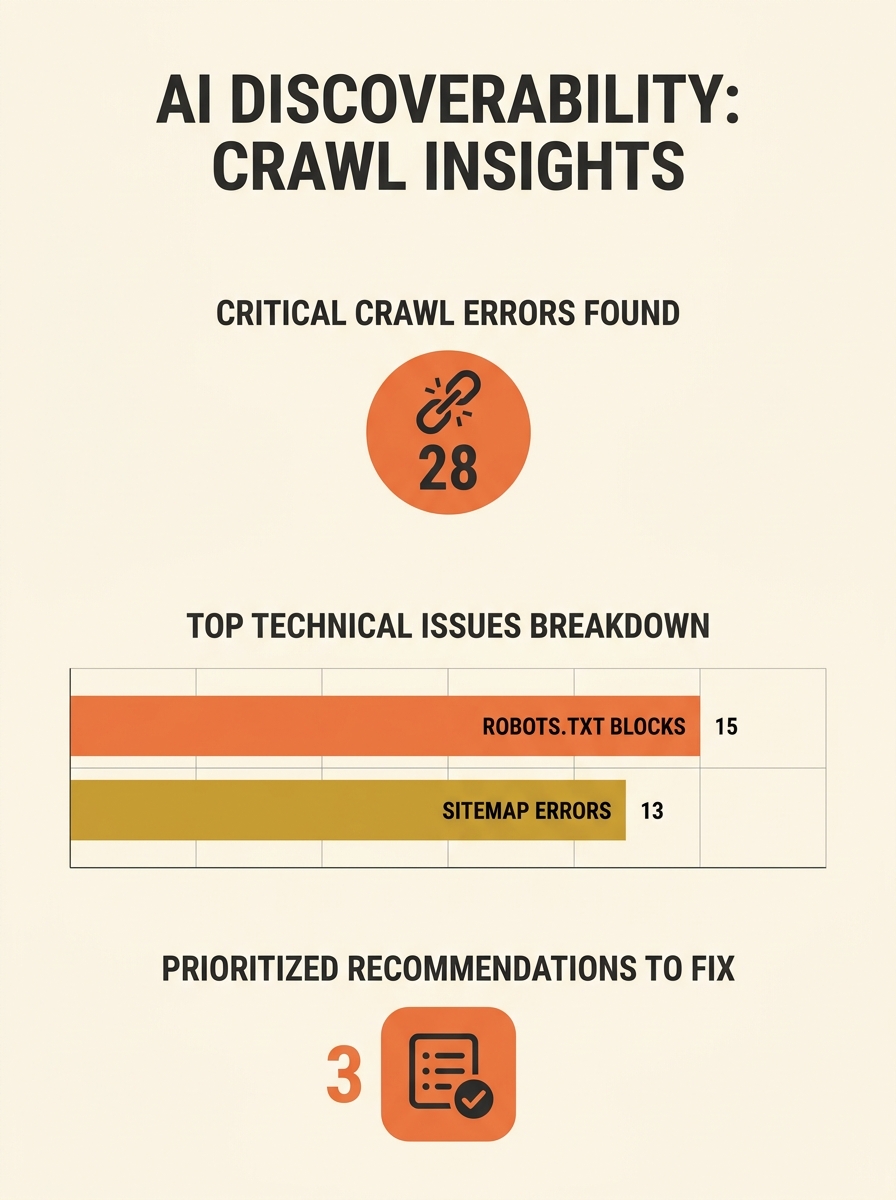
Crawler Access Checks Expand Beyond Robots.txt
The Ahrefs framework opens with crawler access verification, extending beyond robots.txt and noindex tags to include server settings, firewall rules, and CDN configurations that can silently block AI bot requests.
“Before they can cite your content, they need to be able to access and read it,” Makosiewicz wrote in the guide, which includes specific checks for 404 errors, 499 interrupted requests, and 5xx server errors in Bot Analytics.
The framework identifies Cloudflare’s AI Crawl Control settings as one technical barrier invisible to standard site audits, requiring manual server-level checks or AI agent automation to detect. Ahrefs Site Audit includes an AI discoverability section that surfaces crawler access issues with fix recommendations.
The guide provides an AI agent prompt that checks robots.txt, status codes, redirects, WAF rules, and blocked bot requests across both Ahrefs API and Cloudflare accounts in a single automated pass.
Content Must Match Query Intent and Provide Extractable Facts
The second and third framework steps merge query-answer fit with fact extraction architecture, treating AI search as a question-answering system rather than a keyword-matching system.
“Your content still needs to be crawlable, indexable, and useful,” the framework states, quoting Google’s position on AI search features. Microsoft’s position that “Bing’s index is evolving from a list of pages into a source of facts that AI systems can use to build answers” clarifies why ranking alone no longer guarantees visibility.
The framework recommends structuring facts as clear declarative sentences, using tables and lists for data presentation, and maintaining consistent terminology across pages. Each recommendation aims to reduce the inference work AI systems must perform to extract citable information.
Brand messaging consistency becomes critical under this model. AI search engines cited competitors 43% of the time when brands published self-promotional lists, according to September 2026 Ahrefs data examining citation behavior across promotional content.
Freshness Monitoring Shifts From Rankings to Citations
The framework’s fourth step addresses fact freshness and consistency, noting that AI systems evaluate content currency differently than traditional search algorithms evaluate page updates.
“Keep those facts current, and monitor citations,” the framework summarizes, positioning citation tracking as the AI-era equivalent of rank tracking. The guide recommends using Ahrefs Web Analytics to identify which 404 pages receive traffic from AI search, treating recurring broken URLs as content gap signals.
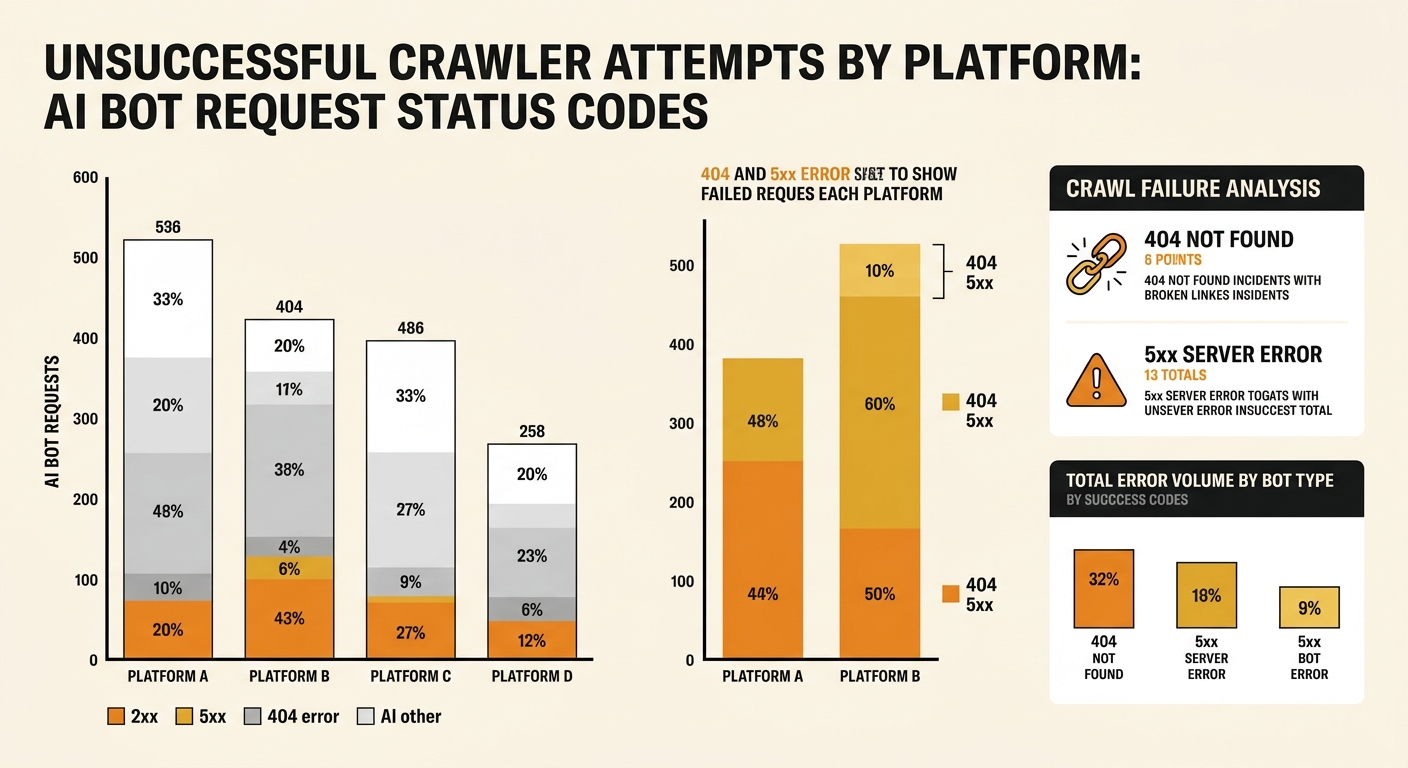
One technical finding: recurring 404 errors from AI search traffic can reveal content opportunities where AI systems attempt to cite non-existent pages covering topics the site doesn’t address.
Agent Automation Handles Audit Work, Not Editorial Decisions
The framework distinguishes between audit tasks suitable for AI agent automation and editorial decisions requiring human judgment throughout all five steps.
“An AI agent can help check access, review passages, spot inconsistencies, and analyze citation data; you still decide what to publish,” Makosiewicz wrote, positioning agents as audit assistants rather than content strategists.
The guide includes prompts compatible with Letaido, Claude Code, ChatGPT Agents, and Codex agentic environments, with technical requirements specified for each automation task. The crawler access audit prompt requires Ahrefs Lite-tier API access and a Cloudflare account; the free tier supports the automation.
Brands need separate audit systems to track AI search visibility, HubSpot methodology showed in earlier September 2026 guidance examining the operational requirements of citation monitoring versus traditional rank tracking.
The Takeaway
The Ahrefs framework resolves a planning question Australian businesses have faced since AI Overviews expanded in mid-2026: whether AI search optimization replaces or extends existing SEO work. The answer shapes budget allocation and staffing decisions.
By positioning AI search as a citation layer built on traditional search infrastructure, the framework lets businesses apply existing SEO capabilities to the new visibility channel rather than building parallel teams. The technical audit work expands, firewall rules and bot request monitoring weren’t standard SEO tasks, but the content strategy extends familiar principles of clarity, accuracy, and question-answer fit.
For marketing managers evaluating content marketing services proposals, the framework suggests asking vendors whether their AI search offerings include server-level access audits and citation monitoring infrastructure, not just content rewrites. The structural difference between ranking and citation means AI visibility failures often stem from technical access barriers rather than content quality issues.