
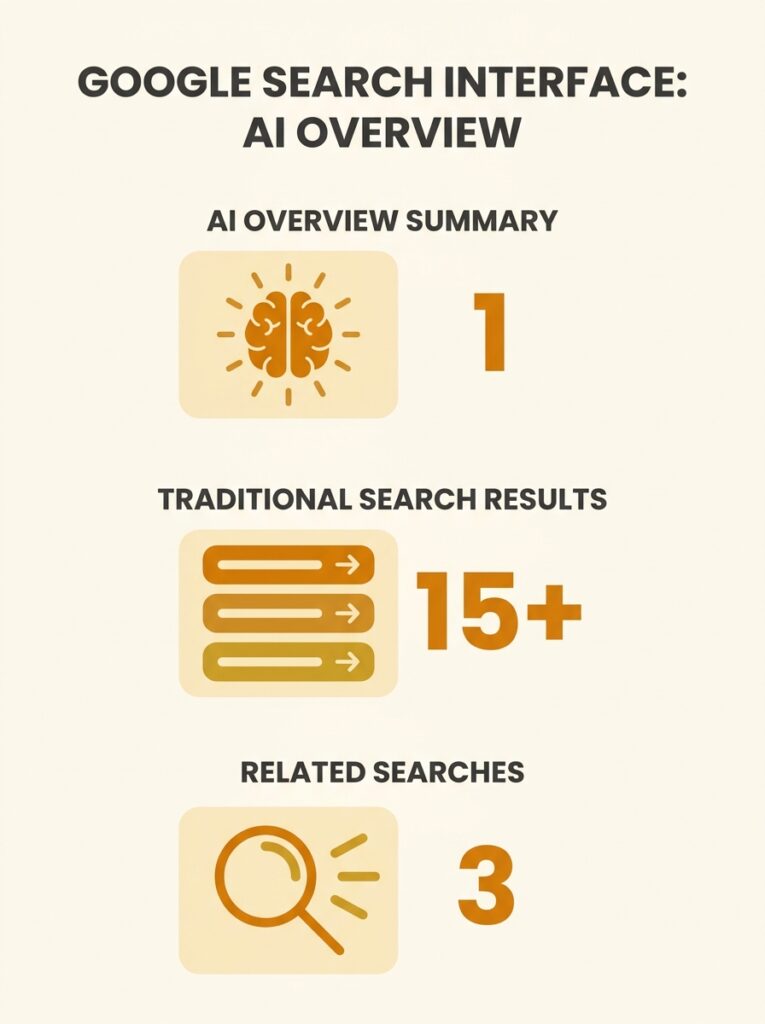
Google’s AI Overviews are cutting low-value “bounce” clicks while driving longer, more conversational search queries, according to the company’s VP of Search Liz Reid in a Bloomberg podcast interview published April 23.
Reid said AI-generated summaries mostly eliminate clicks where users grab a quick fact and immediately leave a page, but preserve traffic to content where users intend to spend meaningful time. The shift coincides with measurably longer queries and less keyword-focused search behaviour as users describe full problems rather than compress needs into search terms.
The comments represent Google’s most direct acknowledgement yet that AI Overviews reshape which clicks websites receive, not whether they receive traffic at all.
AI Filters Quick-Answer Clicks, Preserves Deep Engagement
Reid distinguished between clicks Google considers valuable and those it does not. Users who previously clicked a page, spent half a second scanning for a fact, then returned to results now get that information in the AI Overview itself, she said.
“If all you were going to do was go to the webpage, see the fact, and immediately click back, you’re going to spend like a half a second on the page,” Reid told Bloomberg. Traffic where users intended to read an article for five minutes or engage deeply with content remains unchanged, according to Reid.
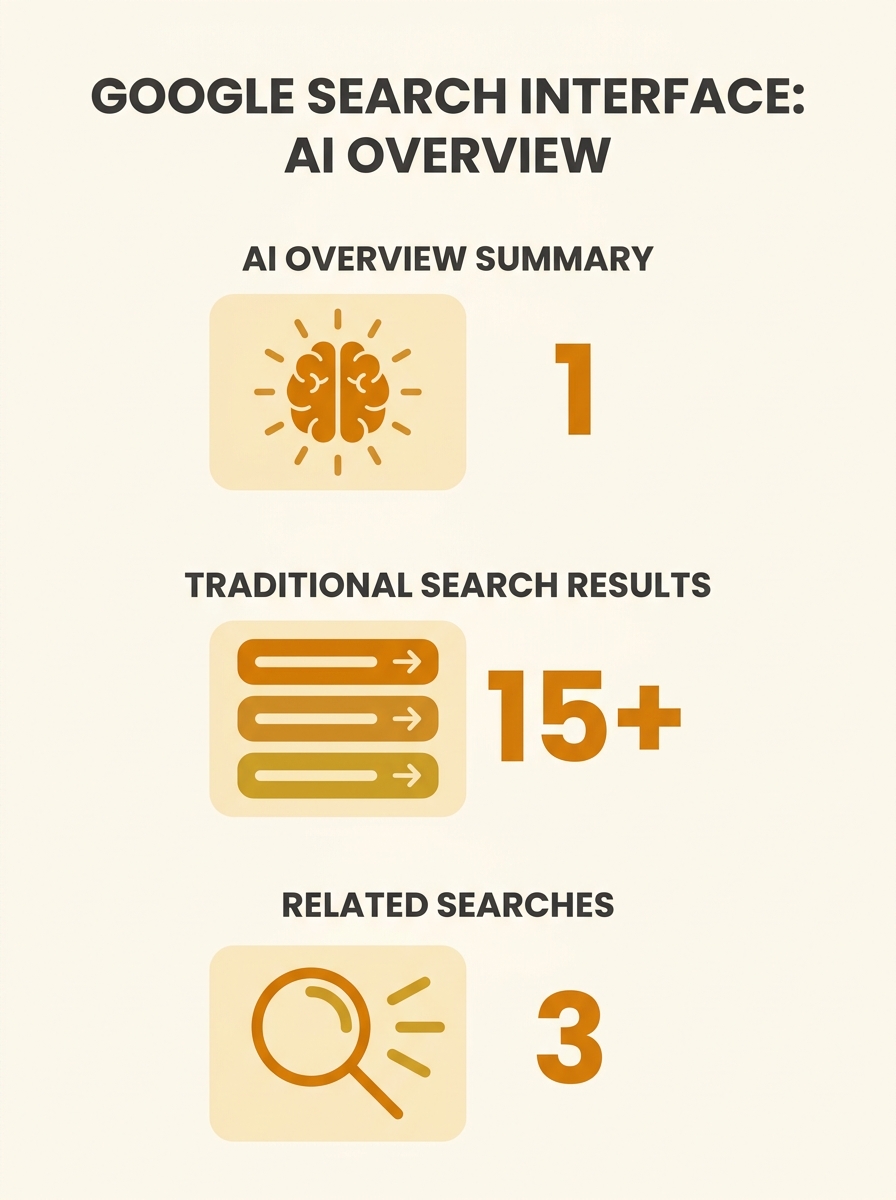
Google frames this as eliminating unsatisfying experiences rather than reducing publisher revenue. Reid said AI Overviews “help you point to the right page so we see fewer bounce clicks where a user would sort of go and immediately come back because they weren’t happy.”
Queries Shift From Keywords to Natural Language
The introduction of AI Overviews correlates with what Reid described as “meaningfully longer queries” and more natural phrasing. Users no longer compress questions into keyword strings, instead expressing complete problems and expecting Google to interpret intent.
“People stop talking just in keywordese as much, and they start expressing more of what they want,” Reid said. The shift means users describe actual needs rather than translate those needs into terms they assume the algorithm requires.
Reid positioned this as progress toward Google’s stated mission of making information useful, not merely organised. “People just ask more questions because we can actually do a better job meeting their needs,” she said.
Ad Opportunities Expand Despite Answer Visibility
Google maintains it can preserve search advertising revenue even when AI answers appear directly in results. Reid noted Search displays ads on fewer than 25% of queries, and many queries now receiving AI Overviews were never monetised because they lack commercial intent.
Transactional queries still require clicks regardless of AI summaries, Reid said, using footwear purchases as an example: “The answer doesn’t buy the pair of shoes, you actually have to buy the shoes, right? So you still have to go pick a merchant for that.”
More detailed natural-language queries could improve Google Ads targeting by revealing fuller user intent, Reid suggested. She also indicated query volume growth creates new commercial opportunities even if individual query-level click-through rates shift.
AI Overview Deployment Remains Selective
Google does not generate AI Overviews for every search. The company evaluates whether AI adds value on a query-by-query basis, deploying summaries only when quality and helpfulness thresholds are met, Reid said.
“We shouldn’t give you AI for the sake of giving AI,” Reid stated. Google uses multiple signals to assess when AI helps and refrains from showing overviews when traditional results better serve user needs.
Model improvements over time expand the range of queries where Google judges AI helpful, she said. The system becomes smarter as users adjust how they phrase questions and underlying language models gain capabilities.
Business Implications
Australian businesses relying on organic search traffic face a material shift in how visitors discover their content. Google’s data confirms AI Overviews filter out the quick-reference clicks that previously inflated page view counts but rarely converted to meaningful engagement. Sites built around thin answer content—FAQ pages designed to rank for single-fact queries, listicles optimised for featured snippets, basic definition pages—will see that traffic evaporate as AI Overviews absorb those queries entirely.
The opportunity sits in content depth and expertise that AI summaries cannot replace. Reid’s comments suggest Google still sends users to pages when they need detailed information, multiple perspectives, or human judgment. Businesses should audit existing content to identify pages that rely on bounce traffic versus those that earn sustained engagement, then redirect resources toward content warranting five-minute read times rather than five-second scans.
Query lengthening also changes keyword strategy fundamentals. If users now describe full problems in natural language rather than compress needs into two-word phrases, content optimised around conversational long-tail variations gains advantage over pages built for exact-match short keywords. Australian SMBs should analyse Search Console data for emerging longer query patterns in their verticals and adjust on-page content to match how customers actually articulate problems when they expect AI to understand context.