

Search Engine Watch published a year-long evaluation of SEO platform Serpstat on August 9, 2026, detailing batch analysis, site auditing, and multi-product features tested by editor Radu Tyrsina, according to the review. The publication tested the tool using Serpstat’s own domain as a case study, analyzing only publicly available data without access to internal analytics.
TL;DR: Search Engine Watch tested Serpstat SEO tool for a year, publishing findings on batch analysis, site crawling, and three new AI features including LLM Brand Monitor and an MCP integration for ChatGPT workflows.
Trial Access and Feature Set Examined
Serpstat provides a seven-day trial with full feature access, operating under daily search and project limits that vary by assigned tier, according to the review. Tyrsina documented the platform’s evolution into what he termed a “multi-product” tool comprising standalone features comparable to other SEO platforms on the market.
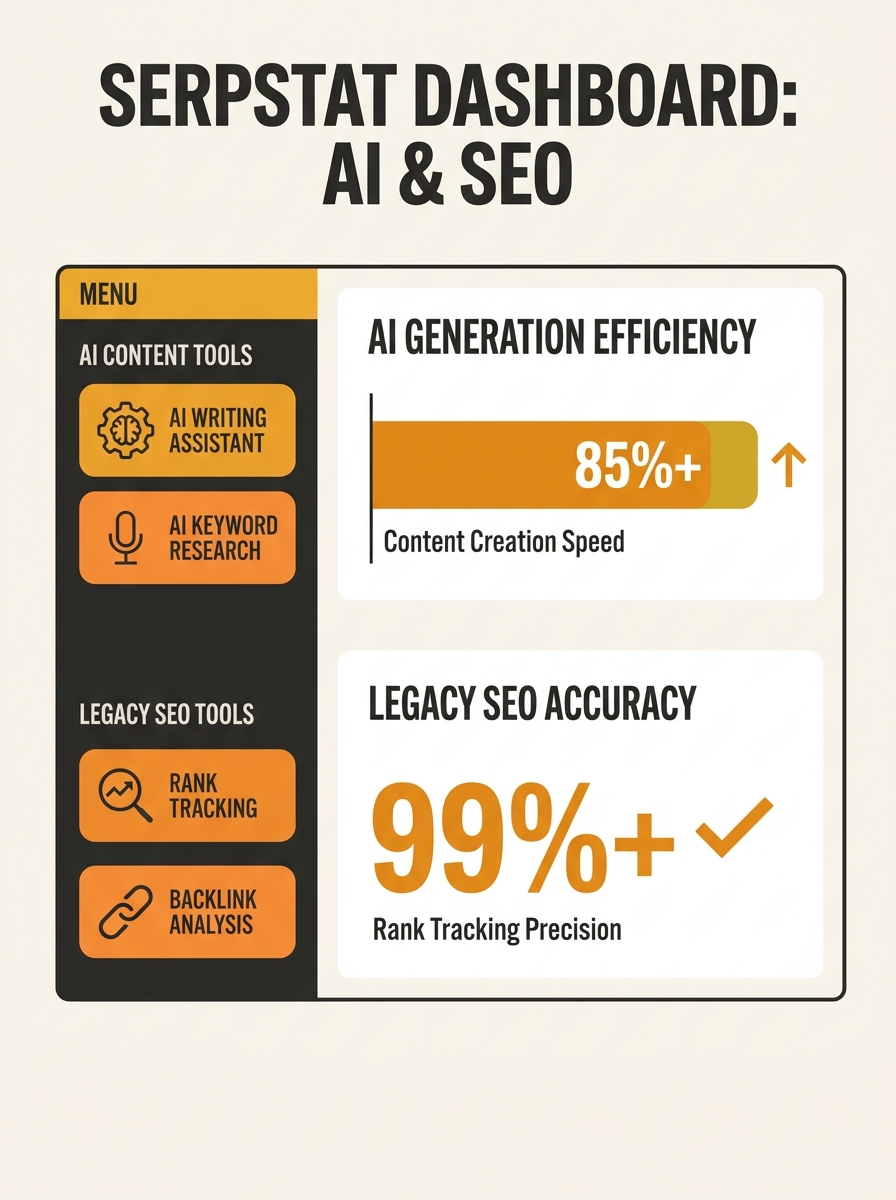
The review identified 12 legacy features and three new capabilities explicitly marked in the interface. The new features include Serpstat MCP, which retrieves Serpstat data through AI assistants such as ChatGPT or Claude using natural-language instructions; LLM Brand Monitor, which tracks how AI models mention and compare brands; and Stus SEO AI Agent, a conversational assistant for SEO workflows.
Legacy capabilities tested include site analysis, keyword research, backlink analysis, rank tracker, batch analysis, site audit, AI content tools, keyword trends, keyword clustering, custom reports, integrations, and API access.
Batch Analysis and Site Audit Findings
The batch analysis feature allows simultaneous comparison of SEO and backlink metrics across multiple keywords or domains, according to the review. Tyrsina noted the platform supports both Google and Bing search engine analysis, a capability he described as valuable for properties relying on Bing traffic data.
The site audit function crawls websites to identify technical SEO problems and prioritize fixes. The review documented testing this feature alongside domain analysis and backlink analysis tools, which examine estimated visibility, leading pages, and search competitors.
Technical SEO audits remain a core pillar for Australian businesses evaluating organic growth strategies, particularly for identifying crawl issues and site structure problems that affect search visibility.
Interface and Navigation Structure
Tyrsina characterized the user interface as “unique” and “somehow stuck in time,” referencing the left-sidebar navigation structure visible in dashboard screenshots. The navigation includes sections for newest features, account options, project management, and a starter guide for onboarding.
The platform’s API provides programmatic access for custom dashboards and automation workflows. Integration options connect Serpstat with Looker Studio, Google Sheets, and browser extensions.
Testing Methodology and Data Limitations
Search Engine Watch tested Serpstat using the tool’s own domain, Serpstat.com, analyzing only information available through the platform and public search results. “To avoid exposing Search Engine Watch’s private data, we tested Serpstat using … Serpstat.com,” the review stated. The publication had no access to Serpstat’s Google Search Console or analytics, meaning traffic figures remained third-party estimates.
Tyrsina, who reports over 20 years in SEO, publishing, and content, described the review as reflecting average user abilities rather than advanced SEO skills. “SEO is not my full time job, so we can view this review as one that’s easily understandable by average users,” he wrote.
The review represents Search Engine Watch’s first tool evaluation in a planned series, according to Tyrsina, who noted the publication’s position as “the world’s oldest SEO-focused website.”
AI Feature Releases and Market Positioning
The three new AI-focused capabilities signal Serpstat’s response to market shifts toward AI-assisted workflows. The MCP integration allows users to retrieve SEO data through conversational interfaces, while the LLM Brand Monitor addresses visibility tracking across AI model outputs—a measurement challenge documented in recent AI search citation analysis.
The Stus SEO AI Agent functions as a standalone conversational product for answering SEO questions and navigating Serpstat workflows. These additions align with broader industry movement toward AI search optimization tools, though the review did not provide comparative performance data against competing platforms.
The Takeaway
Australian businesses evaluating SEO platforms for technical auditing and batch analysis now have year-long usage data from a publication with two decades of search industry history. The documented seven-day trial with full feature access reduces evaluation risk compared to platforms offering limited trial functionality.
The batch analysis capability addresses a specific need for businesses managing multiple domains or conducting competitor research at scale. However, the interface age and lack of Google Search Console integration in the testing methodology suggest businesses should trial the platform’s workflow against their specific technical requirements before committing to paid plans.
The new AI features position Serpstat within the emerging AI search measurement category, though businesses should assess whether LLM brand monitoring and MCP workflows align with their current optimization priorities versus foundational technical SEO improvements.